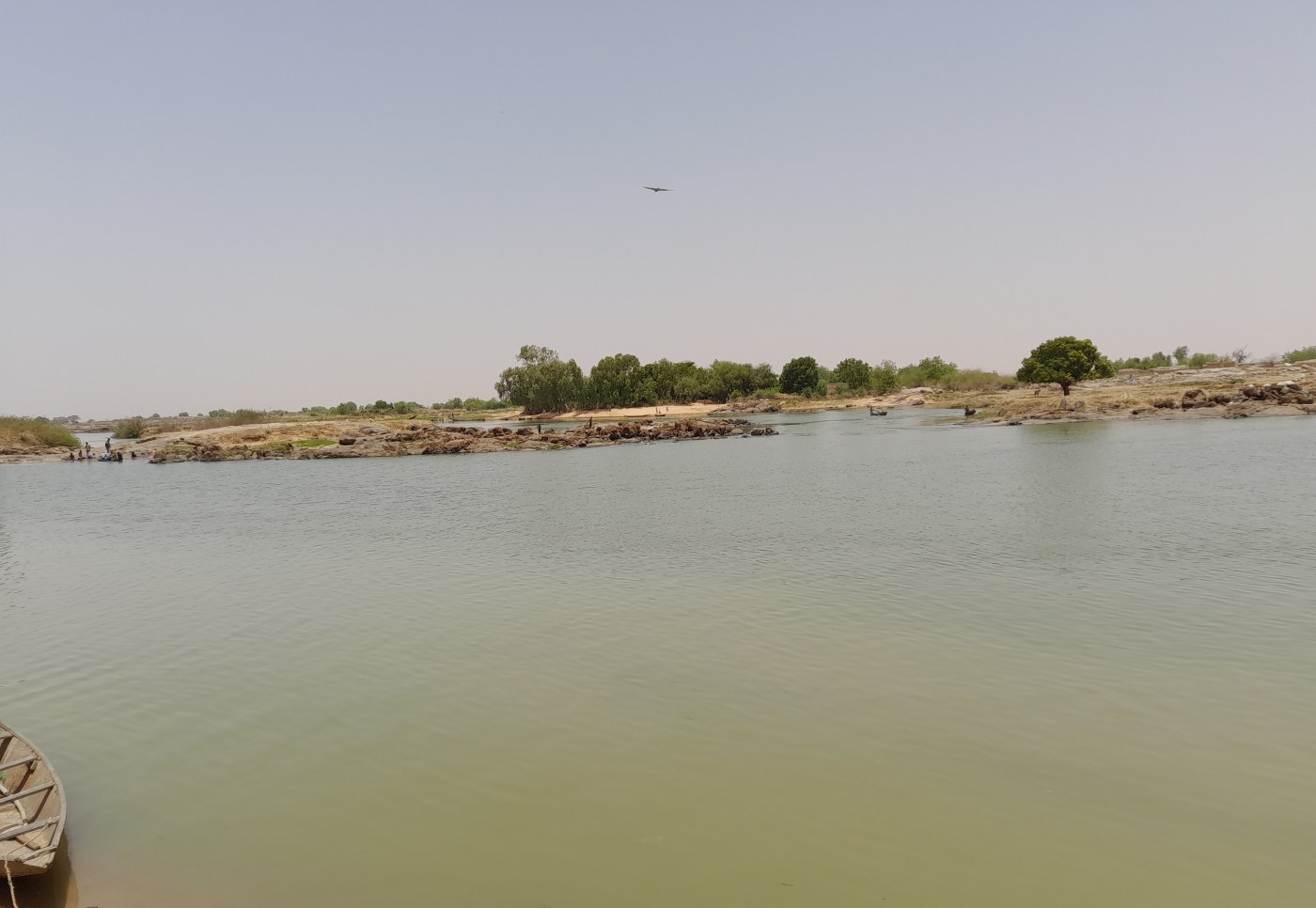
Arriving in Niger, an atmosphere in an orange-yellow-toned color invites you to a country that is a gem in the Sahara. Niger draws its history from the Songhai Empire that flourished in the 15th-16th century in what is present-day Mali, Niger, and Nigeria. The country is named after the river Niger the third longest river in the African continent. Today, Niger is a country that encapsulates different traits of the region and shows a fusion of modern and historical structures. Niamey, the capital, is a city that welcomes tourists, humanitarians, and international civil servants attending one of the many conferences hosted every year as it is a hub for regional and continental gatherings.
I spent ten months working in Niamey and have discovered its rich history and culture through a population that is as warm as the warm weather. Niger is a cattle country offering different types of meat and its proximity to the river offers freshwater fish. National dishes include grilled meat on skewers known as brochette; dried salted and spiced meat called Kilishi; and Dambou a dish made of moringa leaves, peanut butter, and rice or millet couscous. The items can be found in local eateries or sold on the sides of the roads; the best-grilled meat is indeed by the roadside. The city offers restaurants offering world cuisines and traditional ethnic food. Tegadez is a restaurant that specializes in Tuareg cuisine. The dishes showcase the ingredients in the desertic surroundings of the Tuareg a nomadic people. Most notable are the Mouton Targui, a mutton slow-cooked stew, camel meat cooked in butter, and Taguella, a flatbread cooked on fire in the sand. The décor mixes modern table sets and traditional Tuareg mats and low chairs giving visitors an authentic experience.
To discover Nigerien culture, the National Museum located in the center of Niamey is a good reference place. The museum has gallery rooms that trace the history of the country with artifacts and art. In the same location, there is the Zoo Park showcasing some savannah animals. The main attraction for visitors is an arts and crafts market run by local artisans. Items sold are often crafted in the market. One can find jewelry made with gold, silver, and precious stones; leather goods such as bags, shoes, accessories, decorations; and other handmade goods. A piece of jewelry and decoration item sold by many vendors is the cross of Agadez, a four-point-shaped symbol of the Tuaregs. Vendors are always keen to explain the different shapes of the cross and their interpretation of its historical representation. A section of the market is dedicated to traditional handmade fabrics, and visitors can watch the artisans weave the fabrics using traditional looms.
To enjoy the sunset by the Niger River, there is Cap Banga, a restaurant located in a house built on the water. To reach it, visitors take a short 5-minute ride on a motorized canoe. It is the perfect location to enjoy local dishes, the river breeze, and the calmness that the disappearing sun provides.
Niger is divided into eight regions and Agadez is one of the most known due to its central part in history. The capital city of the region carries the same name and is known as the ‘gateway to the desert’ and played a central role in the Trans-Saharan economic trade and cultural exchange. It is the fifth largest city in Niger and has kept historical architectural styles of buildings made with clay with its recognizable arched doors and mini towers. The historical center of the city was designed as a World Heritage Site by UNESCO. Spending time in Agadez brings you back to the times when powerful kingdoms ruled over West Africa and tribes traded knowledge, culture, and goods. the visual of women dressed in traditional dresses, gold, and silver jewelry during ceremonies also shows the culture of the trade of textile and metal goods that have existed for centuries.
The Saharan desert brings dry heat and only a cup of hot green tea can help the body cool down. Tea is a worldwide beverage that is part of many cultures. In Niger, tea is equally a key component of the culture that represents hospitality, community, and patience. The tea is slowly brewed traditionally on a kettle over a coal fire. A generous amount of sugar is added to the liquid and allowed to boil until a thick brew is ready for serving. Serving tea is a sign of welcome and sharing in the communal sense. Taking time to make the tea in slow steps allows people to have time to have long conversations before they drink it. A minimum of three glasses of tea is encouraged to ensure time is spent in friendship.
I spent many afternoons with friends and colleagues around a kettle of tea on the fire to share stories, news, and laughter. During a visit to the region of Tillaberi, I saw entire communities strive to make a living amid societal and climate hardships. When I see a group of people sipping tea with smiles and conversations, it seems as if they gain strength from the brew and the convivial time spent together. I see this tea as a symbol of the community-oriented, friendliness, patience, and resilience of the Nigerien people and all Africans who strive forth with hope for a good future.
Deborah Melom Ndjerareou
 We Write Afrika
Leave a comment