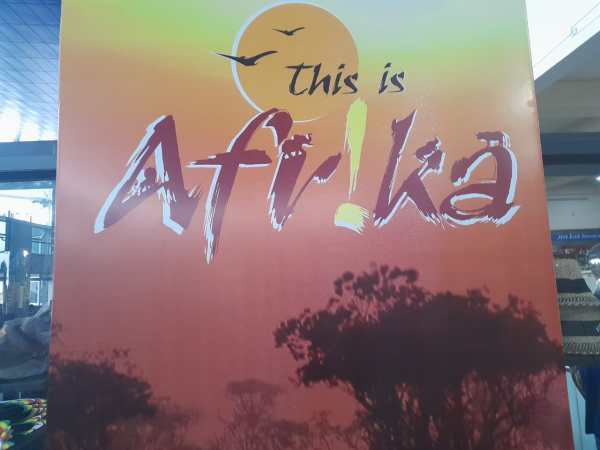
It sometimes seems as if we are conditioned to focus on the negative in Africa and on the positive in the Western world. This often leads us to depreciate our own home as we compare it to the “mighty” Western world. Having traveled between Africa and the Western world, I notice that many minds tend... Continue Reading →
Rire de nous-mêmes : les stéréotypes africains et les histoires que nous nous racontons
La semaine dernière, alors que je parcourais les réseaux sociaux, je suis tombée sur une vidéo publiée par un créateur de contenu kényan, qui mettait en lumière certains stéréotypes que nous entretenons sur les pays africains. Ces stéréotypes viennent du monde entier, mais ils existent également au sein même du continent. J’ai regardé cette vidéo... Continue Reading →
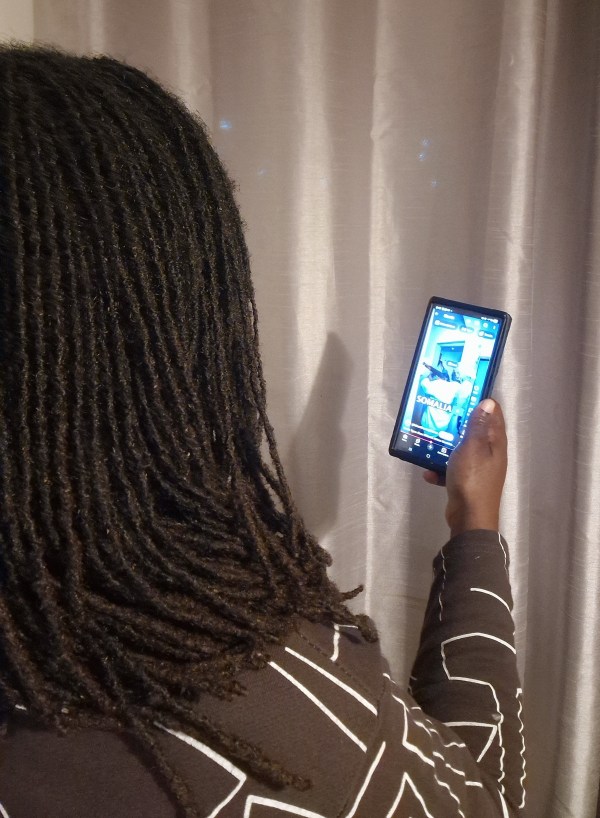
Laughing at Ourselves: African Stereotypes and the Stories We Tell
Last week, I was scrolling through social media when I came across a video by a Kenyan content creator highlighting some of the stereotypes we have about African countries. These stereotypes come from all over the world, but they also exist within the continent itself. I watched the video more than once and laughed my... Continue Reading →
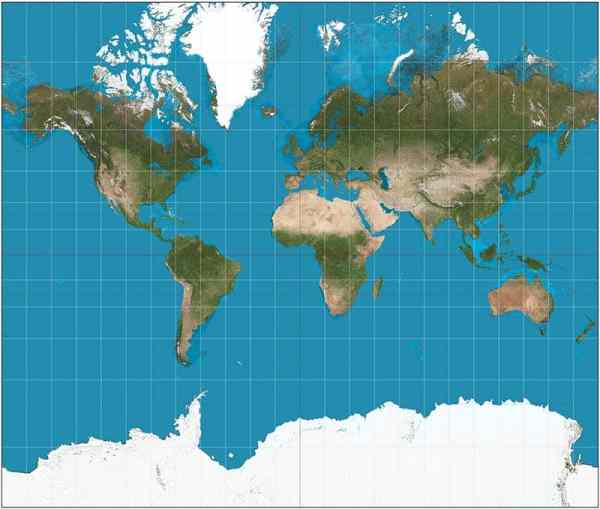
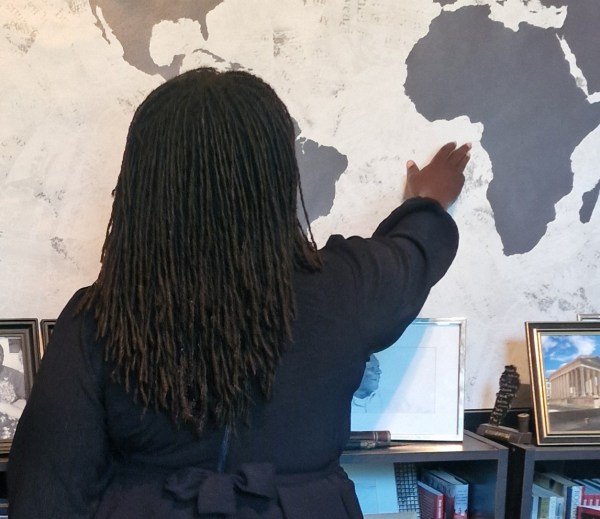
Corriger la carte de l’Afrique : une forme de diplomatie d’influence
Le 4 septembre 2026, l’Assemblée générale des Nations Unies a adopté une résolution appelant à une représentation cartographique plus équitable du monde, et en particulier de l’Afrique. Intitulée « Correct the Map: Rebalancing Global Cartographic Representation and Promoting Equitable Representation of the World’s Regions, Particularly Africa », la résolution a été présentée par le Togo... Continue Reading →
The Soft Diplomacy of Correcting the Map of Africa
On September 4, 2026, the United Nations General Assembly adopted a resolution calling for more equitable cartographic representations of the world, particularly the representation of Africa. The resolution, titled “Correct the Map: Rebalancing Global Cartographic Representation and Promoting Equitable Representation of the World’s Regions, Particularly Africa,” was introduced by Togo on behalf of the African... Continue Reading →
Quand la pauvreté devient un récit
Cette année, le Burkina Faso a pris la décision de restreindre l’utilisation d’images montrant des enfants, des hommes et des femmes en situation de vulnérabilité à des fins de collecte de fonds. Cette décision intervient après des décennies durant lesquelles des images de l’Afrique ont été utilisées pour susciter la pitié à l’échelle mondiale, présentant... Continue Reading →
When Poverty Becomes the Story
Burkina Faso made the decision this year to restrict the use of images showcasing vulnerable children, men and women for the purpose of collecting funds. This comes after decades of using African images to appeal to global pity, putting the continent as a forever recipient and a continent that the world has the duty to... Continue Reading →
Rencontres : Le regard d’Amina Abdoulaye Mamani sur l’art
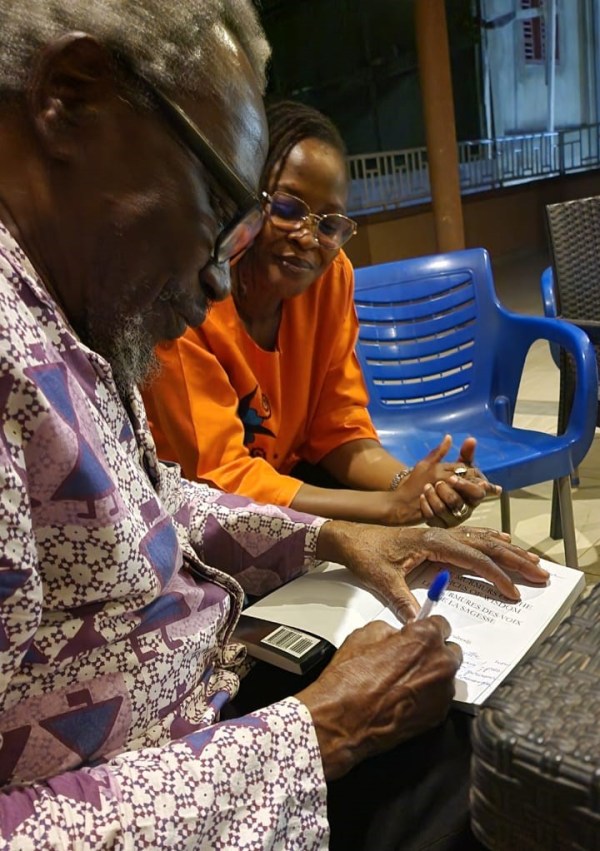
Pour moi, la plus belle chose lorsqu’on voyage à travers le monde, ce sont les personnes que l’on rencontre et les amitiés que l’on noue. Certaines personnes, on ne les reverra peut-être jamais, mais on peut garder le contact avec elles toute une vie. Ces personnes rendent le voyage plus intéressant et lui donnent davantage... Continue Reading →
Encounters: Amina Abdoulaye Mamani’s Eye for the Art
The best part of travelling the world for me is the people you meet and the friends you make. Some you might never see again, but you may keep in touch with them for a lifetime. Those people make the journey more interesting and worth it. I spent over a year living and working in... Continue Reading →
De Rosa Salvaje aux rues de Mexico
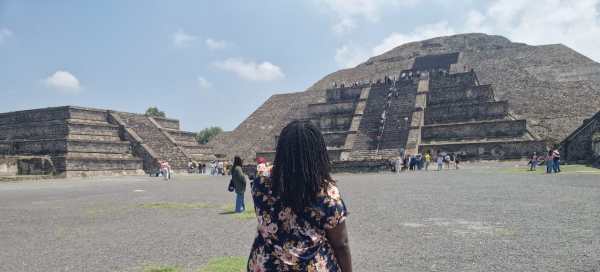
J’ai grandi au Tchad en regardant Rosa Salvaje, une télénovela populaire diffusée une ou deux fois par semaine sur la télévision nationale. C’était un rendez-vous incontournable dans de nombreux maisons. Lorsqu’une coupure d’électricité survenait dans notre quartier, nous nous rendions simplement dans un autre quartier encore alimenté en courant pour rejoindre une famille réunie autour... Continue Reading →
From Rosa Salvaje to Mexico City
I grew up in Chad watching Rosa Salvaje, a popular telenovela that aired once or twice a week on the national television station. It was a staple in many households. If there was a power cut in our neighborhood, we would simply walk to another neighborhood that still had electricity and join a family gathered... Continue Reading →