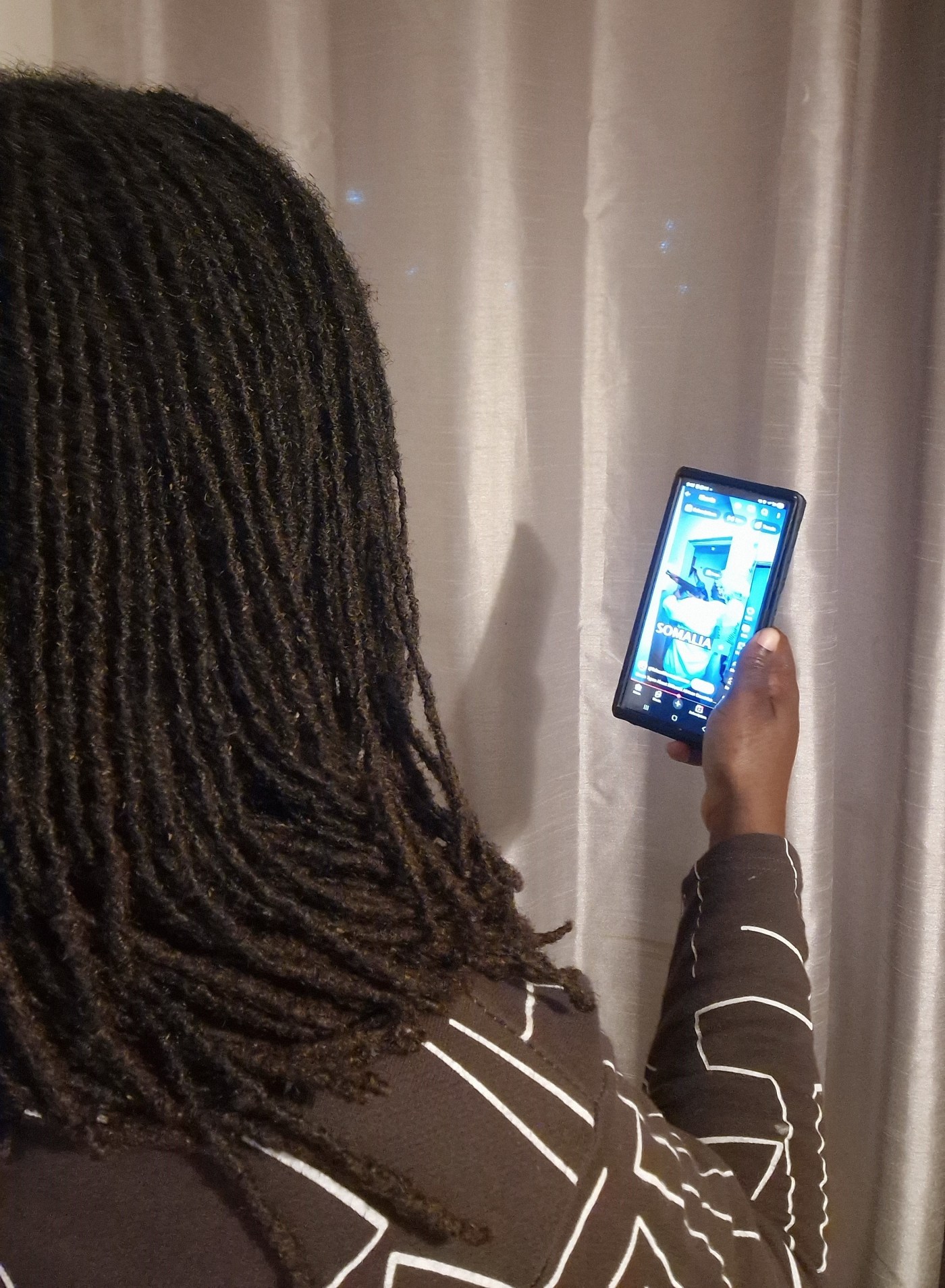
Last week, I was scrolling through social media when I came across a video by a Kenyan content creator highlighting some of the stereotypes we have about African countries. These stereotypes come from all over the world, but they also exist within the continent itself.
I watched the video more than once and laughed my heart out. The skits depicted, with so much humour, what many of us think happens in different African countries. And the culprit might just be mainstream media.
The video shows Kenyans running at high speed while doing regular chores or simply going about their daily lives. In Tanzania, people struggle to pronounce simple words in English. In Nigeria, scammers operate on their laptops in different parts of the city, even while going about their everyday activities.
In Somalia, people are shooting rifles while shopping, playing football, and even at home. In South Africa, an African is being chased out of the country. And in the Democratic Republic of Congo (DRC), people are dancing Ndombolo everywhere, no matter what they are doing.
The funny thing about this skit is that it was created by Africans themselves. For a moment, it allows us to laugh out loud at the assumptions we make about our fellow Africans. But beneath the humour lies something worth reflecting on: where do these stereotypes come from, and how much do they influence the way we see one another?
Take the image of Kenyans running everywhere. This is tied to their exceptional ability to run long-distance races and their consistent presence at international sporting events such as the Olympics. This is a reputation also shared by Ethiopians, who have equally distinguished themselves in long-distance running. Over time, these achievements have become so closely associated with these countries that they have found their way into popular stereotypes.
Then there is Nigeria, where the stereotype of the online scammer has become almost universal. It is not uncommon to receive spam emails from an African prince who supposedly has a fortune to share with you, provided you send some money first. These scams can originate from different parts of the world, but many have been associated with Nigeria. Now, Nigeria, the oil-rich nation, is so much more than scammers. It is a powerhouse of African music, film, television, technology, and much more. Its creative industries have influenced audiences across the continent and beyond. Yet, for some people, the image of the Nigerian scammer remains more familiar than all these other realities.
In Tanzania, the difficulty of pronouncing English is another stereotype that deserves a closer look. It is a reminder that the way we speak can easily become a source of ridicule, even when it says very little about who we are or what we are capable of.
And then there is Somalia, where today, you can sit at a rooftop café in Mogadishu and have a cup of coffee while enjoying a stunning view of the blue sea. You could spend hours walking between stalls selling all kinds of products you can think of. It is country whose image has been shaped, for decades, by conflict and it has shaped perceptions of what life in the country must be like. There are still struggles to overcome, but Somalia is also a country that is building and rebuilding itself, with Somalis eager to see their country prosper. There is a whole life beyond the images of violence that have dominated international news coverage.
South Africa, on the other hand, brings us to a more uncomfortable reality. In 2026, images of Africans chasing other Africans out of South Africa have once again brought violence against migrants into the spotlight. These incidents have fueled tensions and strained relations between South Africa and other African countries, including Nigeria and Ghana. Unemployment and competition over limited resources are among the factors often raised in discussions about these attacks, although they do not justify violence against migrants.
These events have raised difficult questions about where we stand when it comes to the Pan-African spirit. There are also South Africans who stand up for migrants and advocate for their protection and those who are not partaking in chasing away migrants. Reality, as always, is more complex than stereotypes.
And then comes the Democratic Republic of Congo, with its music and dancing. No matter the occasion, we Africans love to dance, and we do so with passion. In the DRC, dancing is a cornerstone of cultural expression. Congolese musicians produce catchy tunes that get people dancing all over the world. Of course, Koffi Olomidé has been a staple in African homes for decades.
This was the part that made me laugh the most, and it was a great way to end the video. Beyond its incredible dancers and musicians, the DRC is a country that could feed the continent under the right conditions. But what a great way to show, metaphorically, that whatever the circumstances, Africans know how to enjoy life and laugh at ourselves.
And perhaps that is what makes this video so interesting. These stereotypes are often tied to some level of reality, whether in the past or the present. But none of these realities defines an entire country or its people.
The ability to laugh about these stereotypes is also an opportunity to recognize the patterns of thought behind them and reflect on the realities that created them. Humor can help us see how easily we reduce entire populations to a single characteristic, forgetting the many stories, experiences, and contradictions that make up a nation.
Thanks to the creator, there is also something educational about this video. It invites us to question the images we consume, the assumptions we inherit, and the way we reproduce these perceptions among ourselves. Sometimes, we are so familiar with the stereotypes that we forget to question them. We laugh because we recognize them, but we should also ask ourselves why they exist and what they leave out.
Perhaps the most important lesson is that we can laugh at ourselves without allowing these stereotypes to define us. We can acknowledge the realities behind them while making room for the many other stories that deserve to be told.
Here’s hoping we get to see more videos like this featuring other African countries. I can only imagine what a skit about Chad would look like. Perhaps it would show people being stubborn, arguing in the streets, or getting into heated debates while going about their daily chores. Now, that would make me laugh hard.
Video credit: @TalesofthecrazyKennar
Deborah Melom Ndjerareou


Leave a Reply