I grew up in Chad watching Rosa Salvaje, a popular telenovela that aired once or twice a week on the national television station. It was a staple in many households. If there was a power cut in our neighborhood, we would simply walk to another neighborhood that still had electricity and join a family gathered around a television set. It was only many years later that I learned the series was from Mexico. Produced in the 1980s, it had found its way onto our screens in Chad decades later.
This year, I finally had the opportunity to visit Mexico for the first time and discover a country known around the world for its rich culture, vibrant traditions, flavorful cuisine, and warm people.
I landed in Mexico City early in the morning and took a taxi to the city center, where I had booked a place to stay. After checking in and taking some time to settle down, I stepped outside to begin exploring the city and breathing in my first taste of Mexico.
Just two blocks from my building, I found myself on a busy avenue filled with people. I later learned that the historic center of Mexico City is almost always bustling, from early morning until late at night. As I walked, I carefully noted every turn and landmark. This is a habit I have developed whenever I visit a place for the first time.
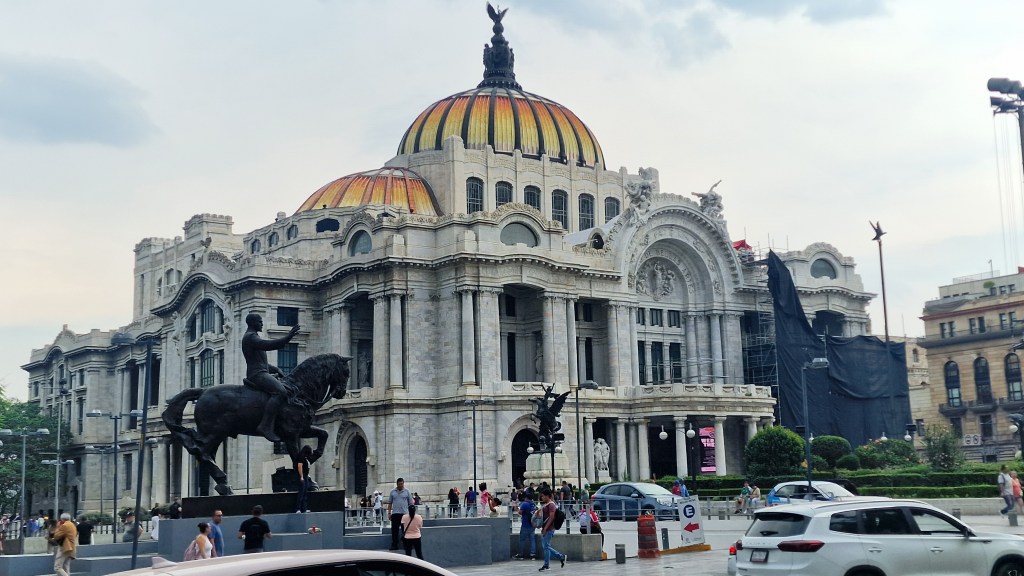
My walk eventually led me to the large plaza in front of the Palacio de Bellas Artes. One of Mexico’s most important cultural institutions, the building was constructed between 1904 and 1934. Its magnificent architecture, crowned by a golden-orange dome, immediately captured my attention. The marble surrounding the plaza added to the grandeur of the setting, creating a space that felt both elegant and welcoming.
Nearby, I noticed a lively gathering in what appeared to be a small park. Curious, I walked over and discovered dozens of food stalls serving traditional Mexican dishes. There were tacos, grilled meats, churros coated in cinnamon sugar, elote topped with spices and sauces, and refreshing horchata made from rice, cinnamon, sugar, and vanilla. Eager to experience the local culture through its food, I bought a little of everything and enjoyed an impromptu mid-morning feast in the park. During my stay, I returned to this area several times, both for food and for souvenirs.
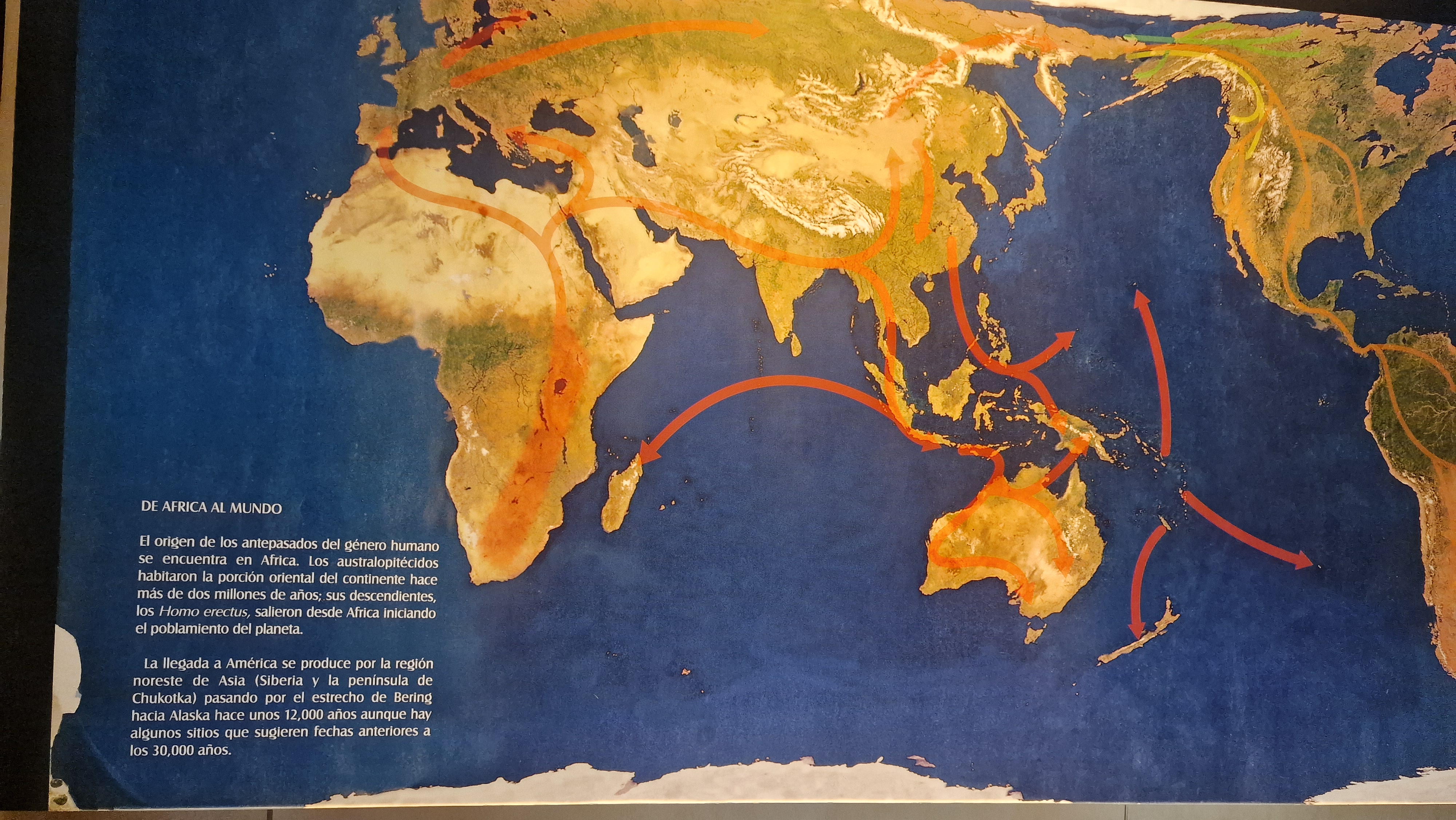
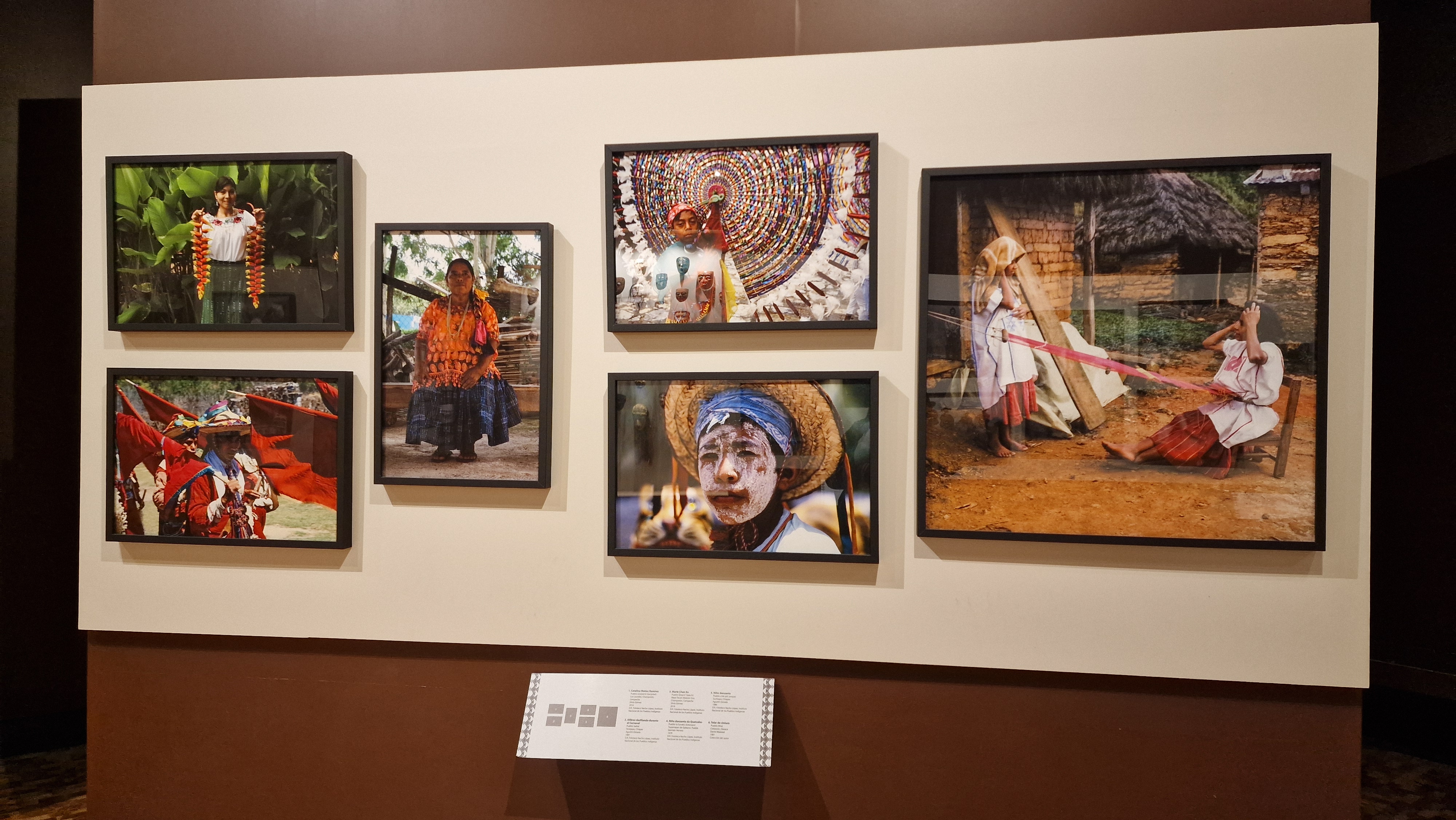
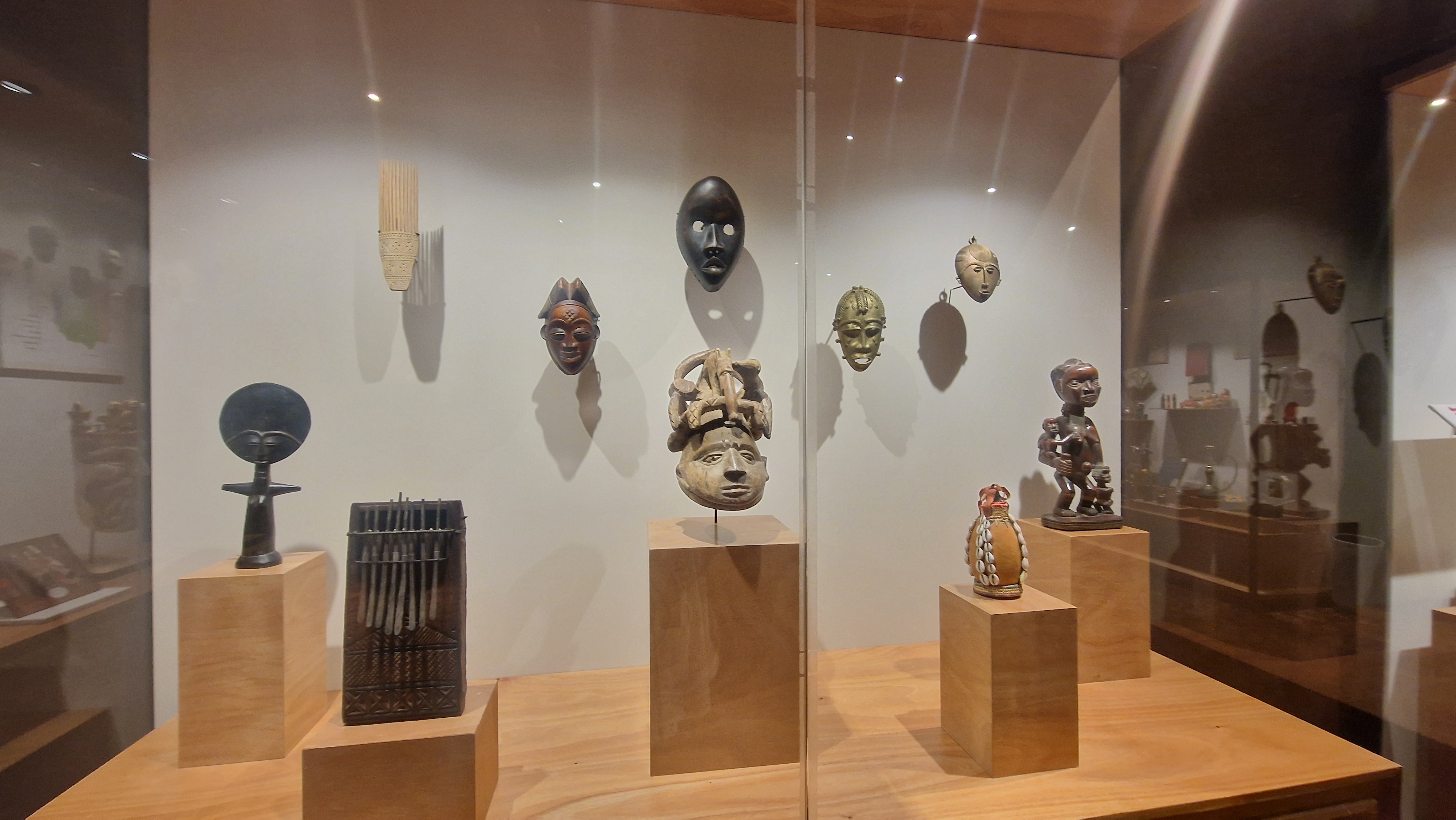
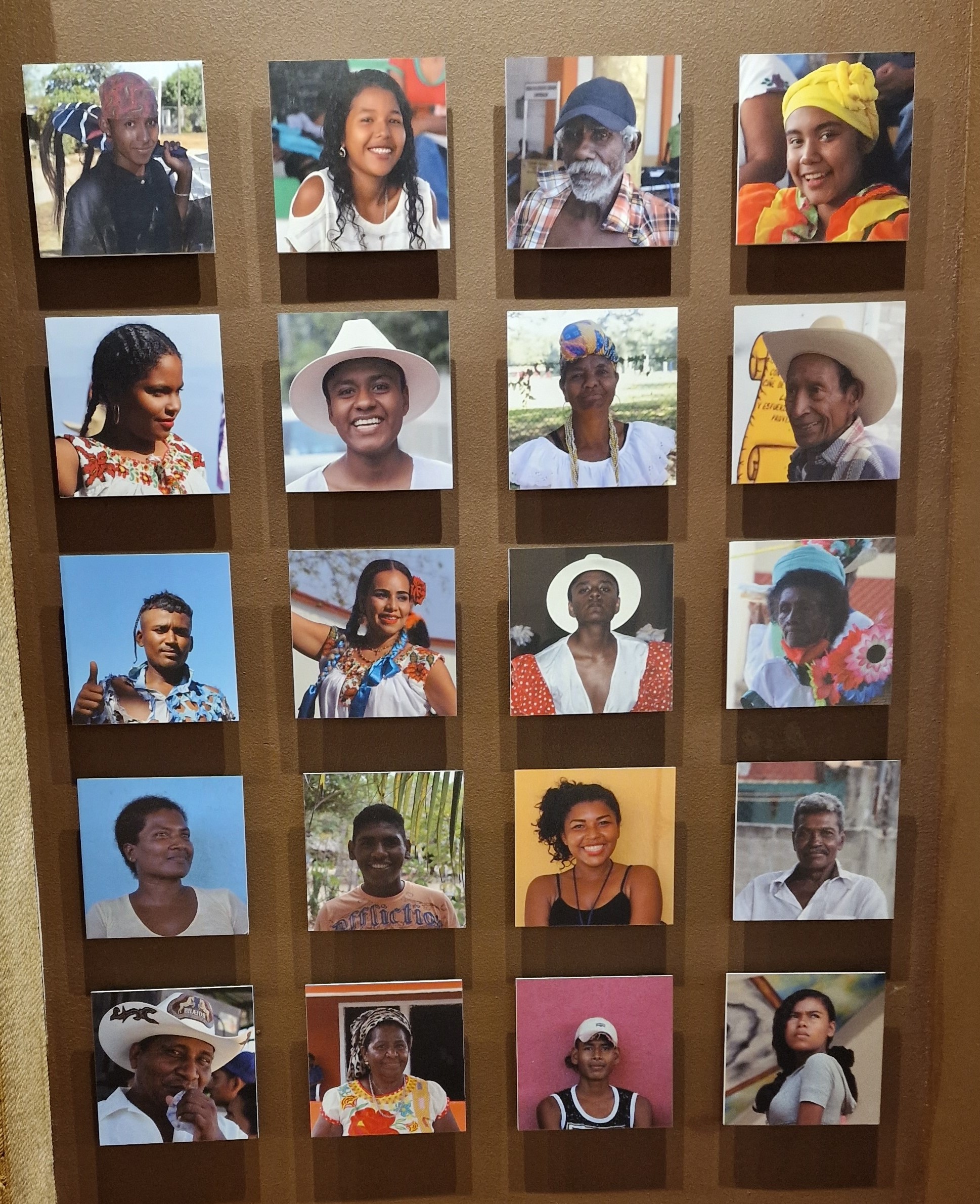
Mexico City is also a city of museums. While I visited several, the one that left the deepest impression on me was the National Museum of Anthropology. The museum traces the country’s history across different civilizations and periods through extensive archaeological and ethnographic collections. Its exhibitions cover topics ranging from the settlement of the Americas and the Maya civilization to languages, textiles, cultural practices, and everyday life.
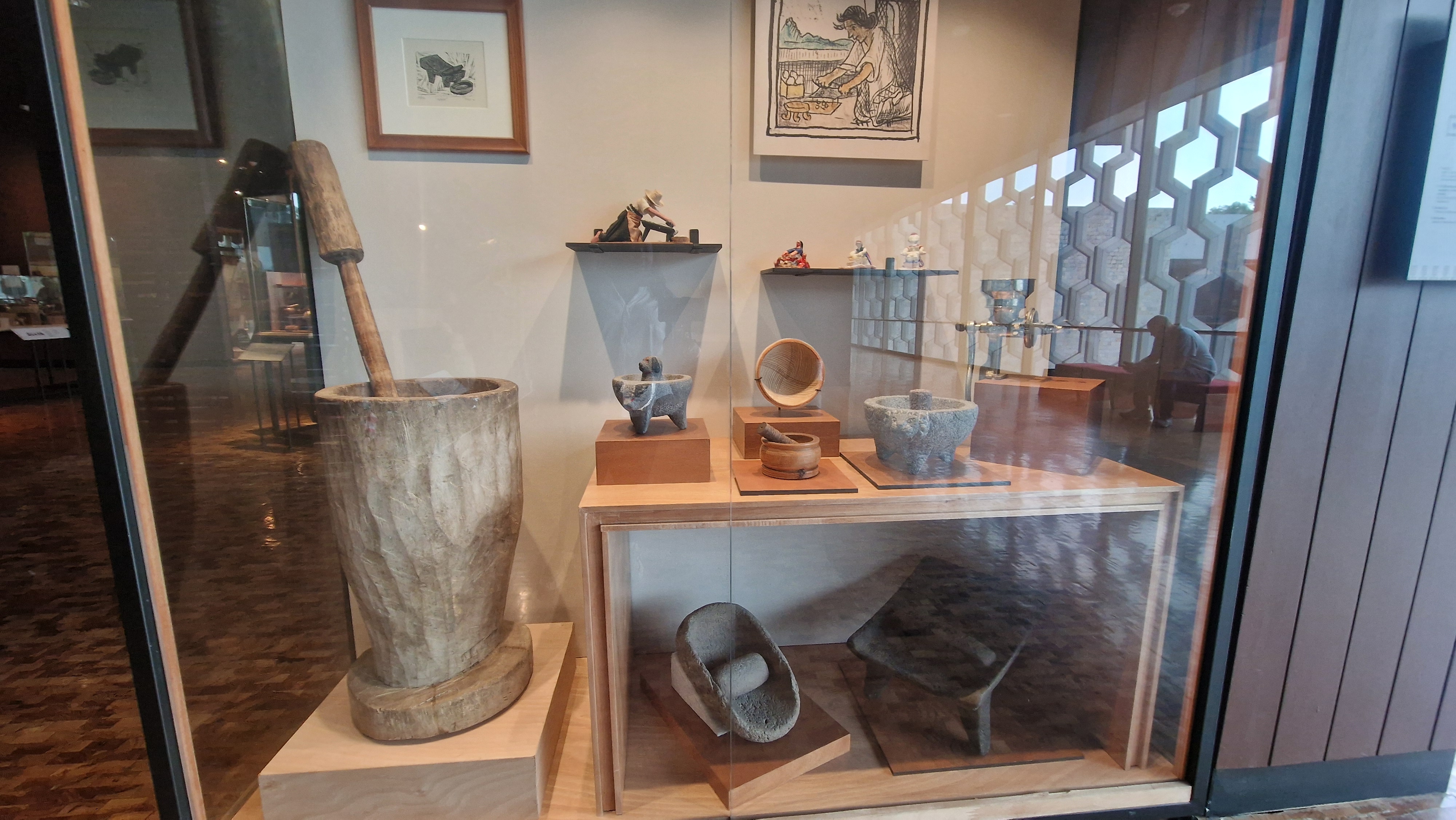
As I moved from one exhibition to another, I found myself reflecting on how connected humanity truly is. In displays depicting traditional homes and daily life, I saw mortar and pestles, pottery, grinding stones, and household arrangements that looked remarkably similar to those found across many parts of Africa. The necklaces, beads, and adornments on display reminded me of pieces that have been worn for generations in parts of southern Africa. It was a powerful moment of recognition, one of those rare experiences that makes you realize that despite oceans and continents separating us, many threads of human history remain deeply intertwined.
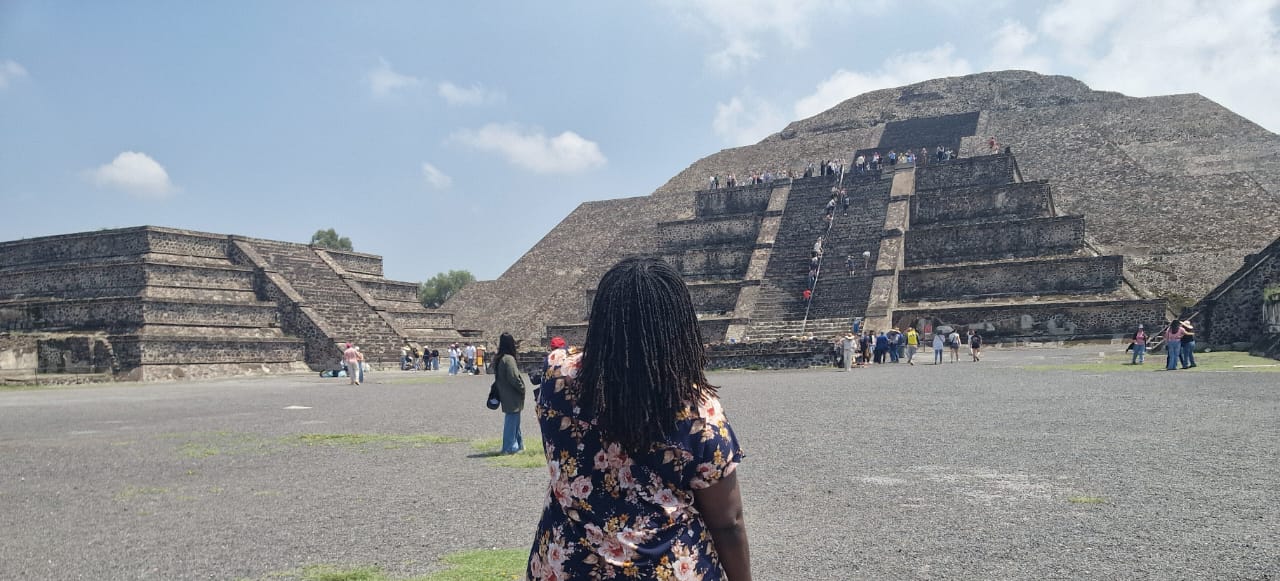
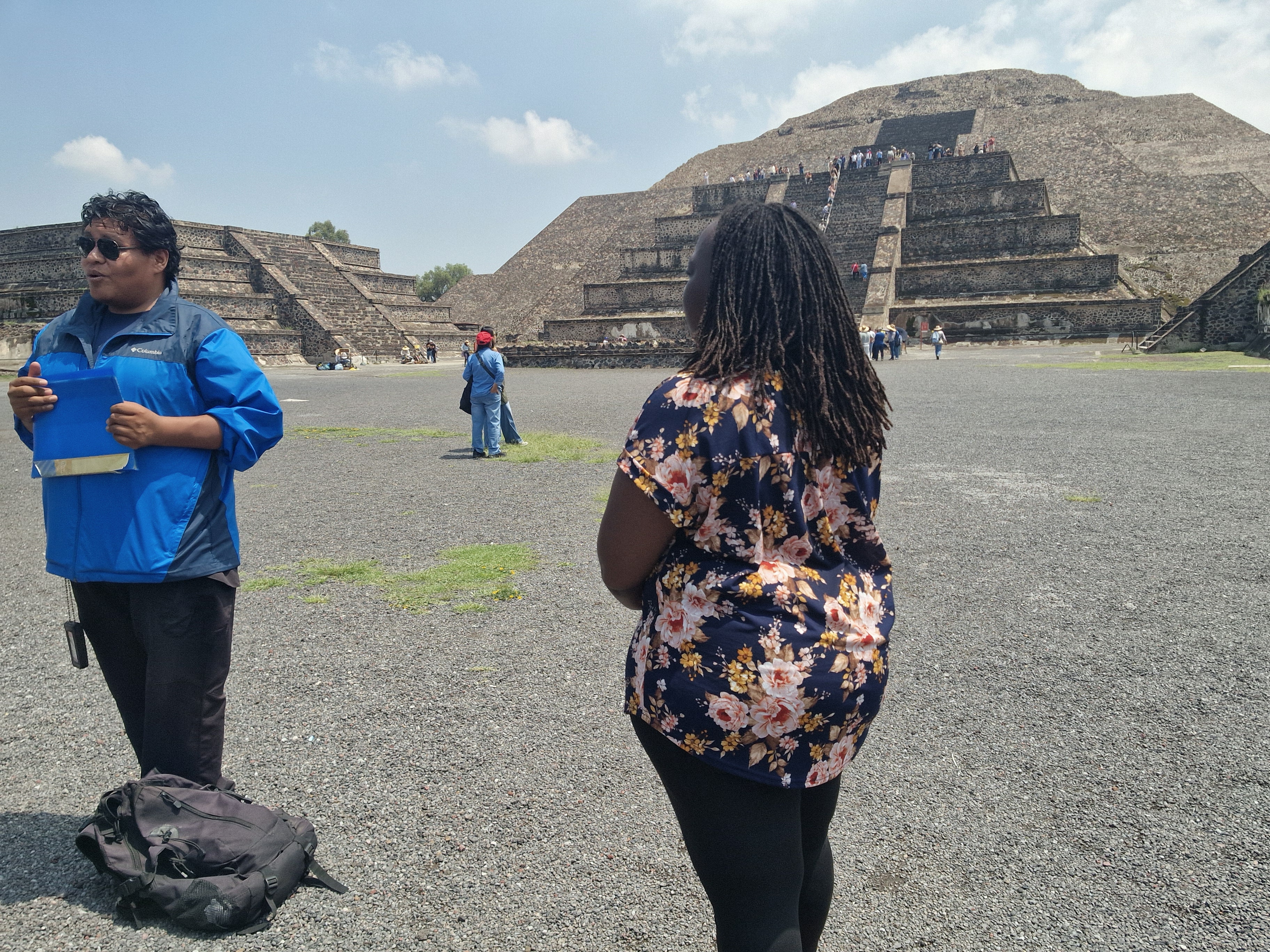
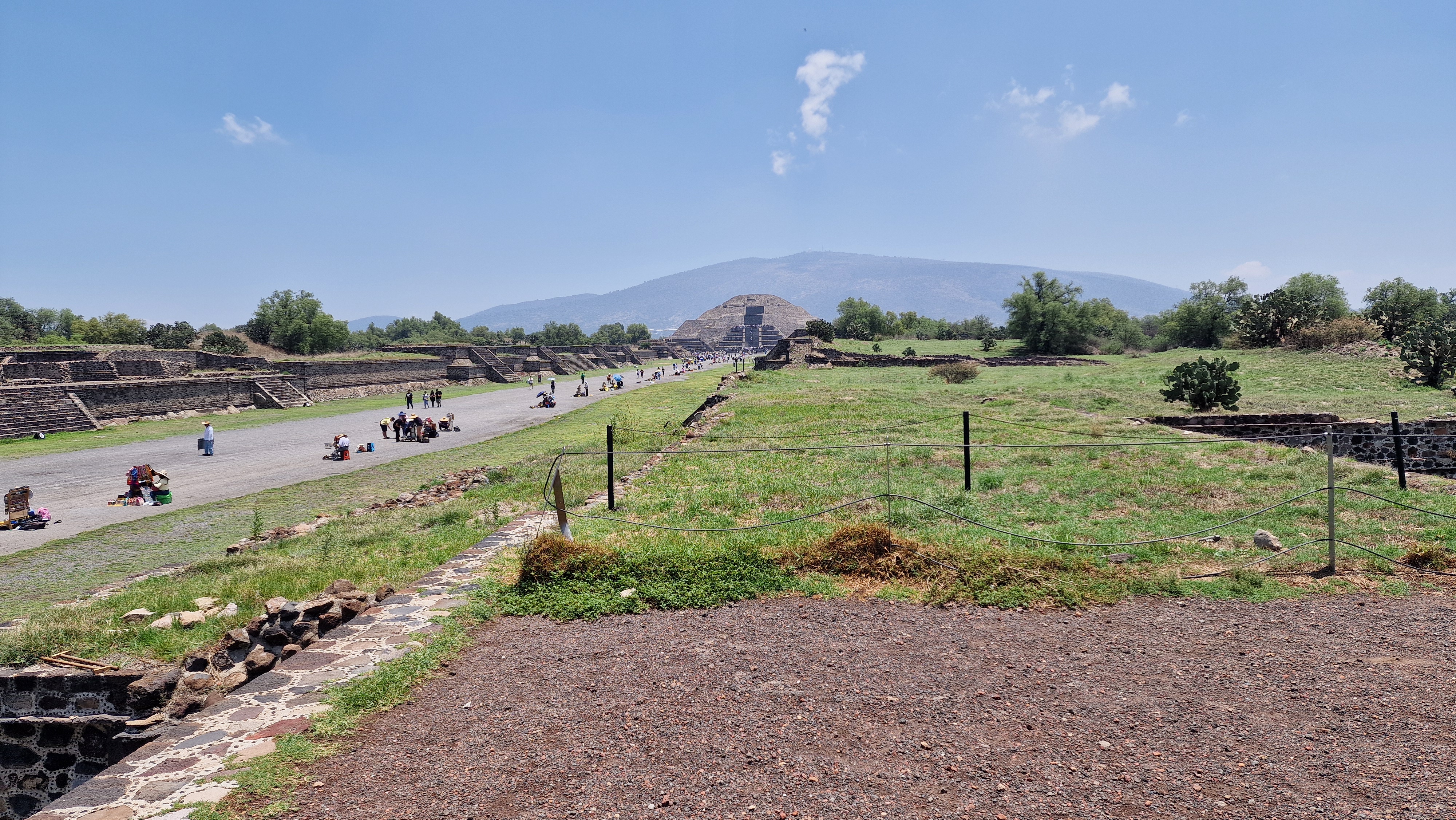
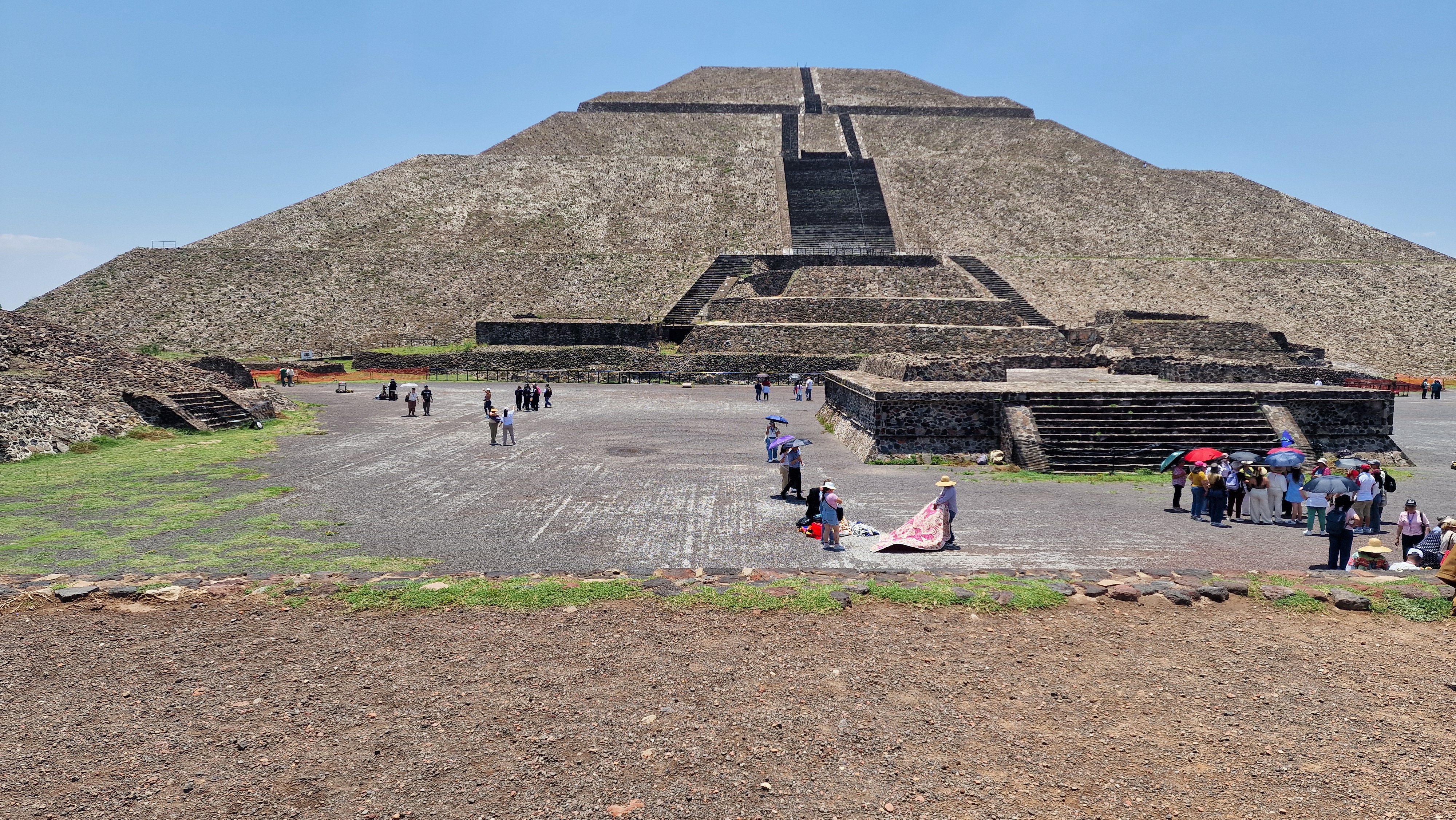
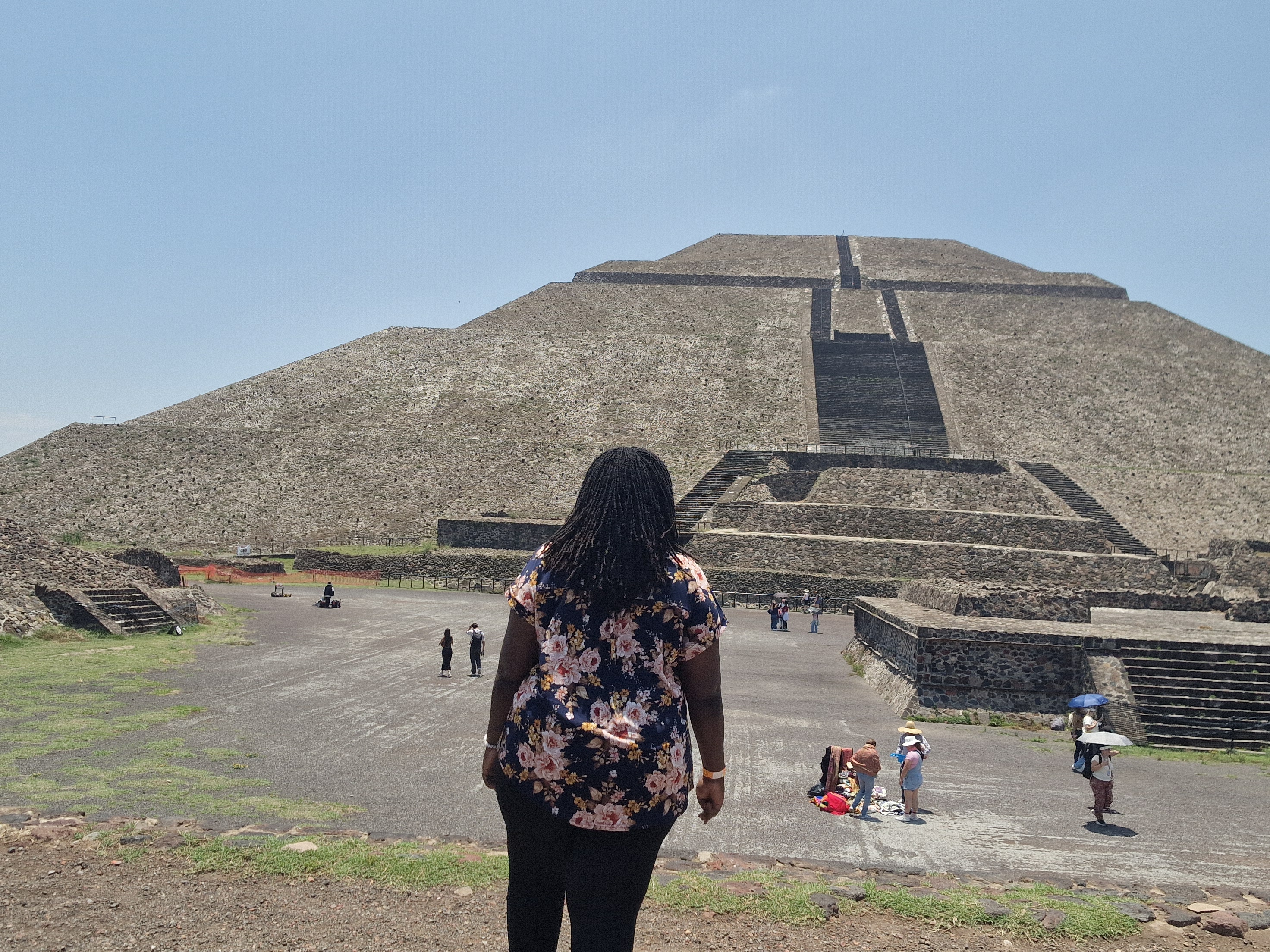
On my fourth day, I joined a guided tour to Teotihuacán, an ancient pre-Aztec Mesoamerican city located about 50 kilometers from Mexico City. Often referred to as the “City of the Gods,” Teotihuacán is one of the most significant archaeological sites in the Americas.
The tour provided fascinating insights into the settlement’s history, the deities worshipped by its inhabitants, the crops that sustained them, and the ways they used natural elements such as the sun and wind in their daily lives. The city’s monumental pyramids reveal a sophisticated and highly organized society. The two most imposing structures are the Pyramid of the Sun and the Pyramid of the Moon.
Visitors are allowed to climb part of the Pyramid of the Sun. Although the ascent is steep and I felt every possible fear along the way, I eventually reached the top and was rewarded with a breathtaking view of the entire site stretching across the valley below.
Another memorable part of the tour was a demonstration of obsidian, the volcanic glass used by ancient civilizations to create tools, utensils, weapons, and agricultural implements. Obsidian continues to be used today in jewelry and specialized tools. According to Mesoamerican traditions, it is believed to block negative energy and bring clarity to the mind and soul.
The tour also introduced us to the agave plant, which occupies an important place in Mexican culture. There are many varieties of agave, and each takes several years to mature before it can be harvested. During a live demonstration, a local woman showed us how different parts of the plant are used to produce paper, textiles, rope, and spirits such as tequila. What fascinated me most was the versatility of the plant. A single agave can provide materials for numerous purposes, making it both a cultural symbol and a practical resource that has supported communities for centuries.
On my final day in Mexico City, I attended a performance by the Ballet Folklórico de México at the Palacio de Bellas Artes. For nearly two hours, the dancers presented a vibrant collection of traditional performances that reflected the country’s history, regional identities, political struggles, and cultural influences.
Through music and movement, they recreated episodes from the Mexican Revolution and illustrated the influence of European traditions on Mexican culture. It was a beautiful and immersive way to learn about the country. The highlight came at the end when the performers sang Cielito Lindo, the beloved Mexican folk song composed in 1882 by Quirino Mendoza y Cortés. I had first learned the song years earlier in my high school Spanish class, so hearing it performed live in Mexico was both nostalgic and deeply moving.
I once heard someone say that travel allows us to discover the hidden story of a place. That thought stayed with me throughout my time in Mexico City. Before arriving, my understanding of Mexico had been shaped by television, books, and the stories of others. By the time I left, those distant images had been replaced by lived experiences: the aroma of food drifting through crowded plazas, the echoes of history preserved in museums and archaeological sites, the rhythm of traditional dances, and the unexpected moments of connection that reminded me how much people around the world share.
Mexico revealed itself to me not only as a country of remarkable history and culture but also as a place where the past and present coexist in fascinating ways. It reminded me that travel is not simply about seeing new places; it is about understanding people, challenging assumptions, and finding pieces of ourselves in unfamiliar surroundings.
There is still so much more of Mexico that I hope to discover one day. For now, I leave with memories that began with a childhood telenovela in Chad and came full circle decades later in the streets of Mexico City. Some journeys start long before we realize it, and this was one of them.
Deborah M Ndjerareou


Leave a comment