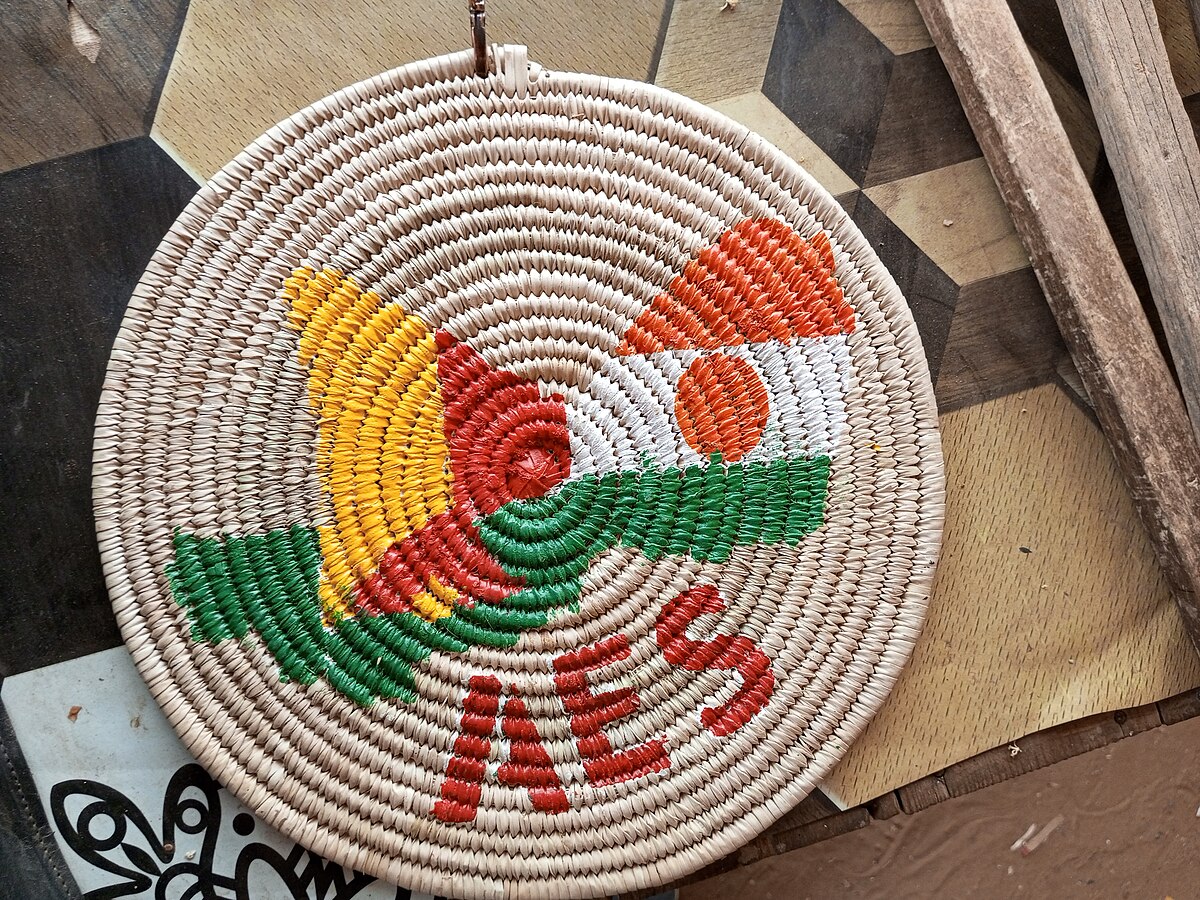
This arid Sahel region that covers eight countries stretching from the desert to the Savannah has been under turmoil for decades. Between desertification, poverty, and violent extremism, Sahelian countries have been struggling to maintain stability and foster sustainable development. In the past five years, several of the countries have experienced recurring military coups and social uprisings within their territories. A military coup took place in Mali in May 2021 followed by another in September 2022 in Burkina Faso and in July 2023 in Niger. All three leaders are military men who claim to have taken power to stabilize their countries and fight against jihadists. They also state that their rule is transitionary and that civilian elections will be organized in due course.
In September 2023, these three nations came together to begin talks on the creation of the Alliance of Sahel States (AES) aimed at a mutual defence agreement. Following the establishment of the charter, the member countries went to work on the initiatives under the organization and held their first summit in July 2024 in Niger. The creation of AES was met by the large support of the member’s populations. The streets of Niamey the capital of Niger were full of supporters of the three military leaders and the new direction of their countries. What was notable was also the brandishing of signs stating, “France out of the Sahel” or “No to France”. This is important imagery to help understand part of the dynamic that led to the coups and disruptions in these Sahelian countries.
All three nations are former French colonies and France maintained a strong diplomatic, political, and cultural hold on them. France also had a large presence in the Sahel countries with military bases in Niger, Burkina Faso, Mali, and Chad with a mandate to fight insurgencies and maintain peace. Following years of this presence with no noticeable changes, local populations led protests against the presence of foreign troops. The uprisings led to anti-French and anti-imperialist sentiments that became even more palpable with the departure of French troops in all three countries, and the expulsion of French ambassadors in Niger and Burkina Faso. In the past two years, these sentiments have translated into the departure of French citizen who were in the country for non-political reasons. These nations are moving away from their colonial ties with France and seeking partnerships with new actors such as Russia. Other foreign powers such as the United States armed forces have also left Niger this year as ties between the Sahelian states and Russia strengthens.
The creation of AES also meant the nation’s departure from the Economic Community of West African States (ECOWAS). This rupture led to more strife between the two blocks, accusing each other of destabilizing the region. The first summit of AES took place just before an ECOWAS meeting, thus sending a strong message of their determination to create and establish this new alliance. The nations were also part of the G5 Sahel, a coalition of five countries (Chad, Mali, Niger, Burkina Faso, and Mauritania) to fight against extremism. Due to a lack of funding, the organization has not been able to meet its objectives.
The new political and diplomatic direction of Burkina Faso, Mali, and Niger are reshaping the Sahelian region and indirectly the African continent. The relations between France and Sahelian nations have been an unequal and paternalistic stronghold. As it was during the colonial era, the current approach is still a sphere of influence. This post-colonial influence is being rejected by a new generation born during the independence era. This is also a generation that is more than ever involved and vocal in national politics. The social uprising on inadequate governance and security issues and holding the leadership accountable, leading to coups has been largely led by the youth in the three nations. In Burkina Faso, for example, the current leader was 34 years old when he took power and is the youngest head of state in Africa. The world is witnessing a diplomatic shift whereby ties with the colonial power have been broken and new partnerships are being sought after. The search for new partners also lies in equality and equity in collaboration.
Amid the departure of France and the United States, other powers such as Russia are moving in presenting itself as a viable partner that will respect the equality that Sahelian nations are seeking. Russia seems to be also influencing the local populations. During protests in the three countries, with the signs asking France to leave, protesters waved Russian flags and voiced their support for this potential partnership. The widespread support of Russia began years prior in the West-Central region. The involvement of the Wagner group in the fight against extremism paved the way for political and diplomatic ties and influence in the region. At this stage, the question remains whether these three Sahel as AES will officialize its relations with Russia.
The creation of AES is the physical manifestation of this diplomatic shift being led by its members. As the alliance builds itself and establishes its mechanisms in the region, the road will be arduous. The nations need to gain trustworthy partners within the international community. Furthermore, ending their alienation from ECOWAS is the first step to promoting stability and regional re-integration.
Burkina Faso, Mali, and Niger, through the AES, are moving away from traditional diplomacy and redefining the trajectory of the entire region. As the AES establishes itself, it is probable that other neighbouring countries join them, thus increasing their membership and strength. This organization could be the starting point of new Sahelian diplomacy led by the principles of equality and newfound re-independence from its former colonizer.
Deborah M Ndjerareou
 We Write Afrika
Leave a comment