I still remember watching on the evening television news malnourished children crying in the arms of their mothers. The images showed a dry and desolate area with multitudes of people under makeshift tents and long lines of others waiting in line for some type of assistance. Even at a young age, I knew this was Somalia in the Horn of Africa. These news clips, or perhaps documentaries were shown every evening at the same time in the evenings when the family was gathered in front of the television. I grew up with that image of Somalia and always believed that it was a place of suffering.
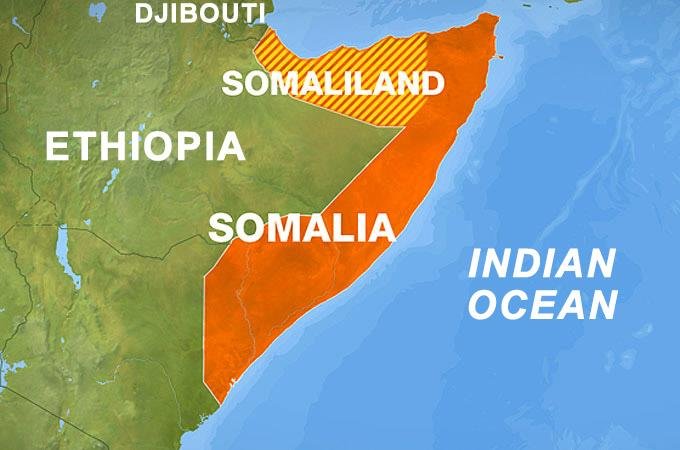
Two decades later in 2019, I landed in Hargeisa Somaliland with no clear expectation of what I would find. I knew that Somaliland was formerly a part of Somalia, and it asserted its identity as an independent territory in 1991. It is still not recognized by the International Community; however, it has built a political system, an economy with its currency, and established national institutions. Whenever I heard Somalia or Somaliland, I still had the images of the hungry children in my mind. For years, I believed what I saw and did not even think of different imagery for that part of Africa.
In my first week in Somaliland, the first drive in the capital Hargeisa showed a bustling city under construction with many new buildings, markets, and an array of shops. The view was colorful, and vibrant with street vendors selling all types of products. Various restaurants were offering local and international dishes. The formal and informal economy relies less on cash and more on mobile payments. Zaad is a payment method used to buy anything needed in shops, streets, and establishments. This makes the purchase experience safer and more convenient. I spent hours scouring the market for clothes, food, and traditional products. I had many Diracs (dresses) made to wear during my stay. The Dirac is a traditional ankle-length dress worn by women every day in Somaliland. It is made from a light and colorful fabric that is adequate for the hot weather and the conservative culture. There were thousands of fabrics to select from the shops and tailors seated next to these shops who quickly turned them into Diracs. The selection process in itself was a beautiful experience.
Walking into shops and restaurants, one can notice the diversity of familiar products offered. A large part of the Somaliland diaspora returned home to open businesses and offer services and food from other parts of the world. One evening, I stopped by an ice cream and waffle shop serving beautifully crafted desserts. The imagery of this shop and Hargeisa opened my mind to a different to a new realm of possibilities. It made me realize that there are pockets of success in parts of the world that are often represented under the lens of destruction in international media.
My lesson learned in Somaliland after a five-month stay was that it is important to see the reality for yourself when possible, or always keep an open mind when a country is shown on television. Somaliland also showed me what the resilience and will of people can achieve. The Declaration of Independence of Somaliland and its continuous progress without international recognition is a success that is refreshing to experience. Within the African narrative, Somaliland is a beautiful example of courage, strength, and the possibility of a successful story.
Deborah Melom Ndjerareou
 We Write Afrika
Good story! Very interesting to know this about Somalia.
LikeLike
Thank you very much. I am glad you liked it.
LikeLike