When we hear Nigeria, we may think about Nigerian food, Nollywood, and business. As one of the countries with the largest population in Africa, Nigeria is well known in many great aspects. In the world of literature and novel writing, Nigeria is a powerhouse in the African continent. When one searches on the internet for famous African writers, the majority on the list is from Nigeria.
The country has been producing authors renowned globally for decades. A prominent example is Chinua Achebe whose novels are included in school curriculums in many countries beyond Africa. His writing style and subjects speak about the African culture and the effects of colonialism on Nigerian society. His novels Things Fall Apart, No Longer at Ease, and Arrow of God published between 1958 and 1964 constitute the African Trigology and are the most renowned, studied, and translated African novels in the international literature market.
In 1986, Wole Soyinka was the first African to be awarded the Literature Nobel Peace Prize[1]. The author, playwright, and poet weaves stories with links between African and Western cultures creating new perspectives in literature. Wole Soyinka’s work in theatre garnered international acclaim for his unique contribution to the art. His recognitions are an example of the merit of African literature.
In the last decades, there have been several contemporary writers whose novels also captured the attention of readers internationally. When African literature explores folklore, spirituality, and magical realism, Ben Okri is one of the most admired authors. His novels transcend between the real and the spiritual world enticing the reader to dive into African cultural philosophy. Okri’s style in novels, poetry, and plays outlines how culture governs reality and perspectives.
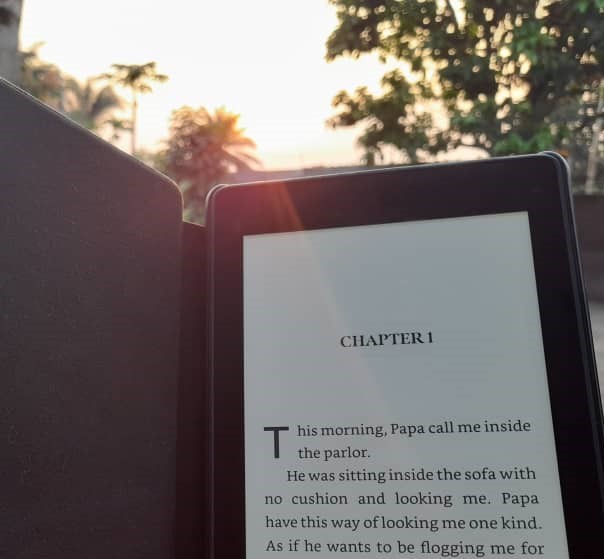
A common thread found in Nigerian storytelling is the ability to transcribe society, cultural nuances, and the local dialects the natural and unnatural in a way that is understandable to any reader. This is perhaps one of the reasons that make their stories appealing to any audience. Chimamanda Ngozi Adichie is a recognizable contemporary author of novels and short stories which have won numerous international awards. Beyond writing, her talks on African identity, narrative, and culture have placed her as an African voice in the world. In this decade, Nigerian authors have continuously been on the rise. Abi Daré is another author whose novel The Louding Voice demonstrates a beautiful style of writing in how one speaks in local dialects and sends messages with cultural nuances. This story becomes more and more familiar after every page and allows the reader to see, hear, and feel the main character.
Storytelling in Africa has been a tradition since the dawn of time. It is how stories are transmitted from generation to generation. Elders and children sitting around the fire to tell stories is common imagery that fortunately still exists to this day. In the old days, news was also spread from one community to another through methods of storytelling. The Griot is a storyteller and giver of news that uses melodies to transmit messages from one area to another. Griots exist in most African countries however the practice is declining as the modern way of life rises. This tradition also stays alive through literature giving glimpses into our way of life, realities, challenges, and successes.
Chimamanda Ngozi Adichie once said, “It is important to give African literature the same value as literature in any part of the world”. These words ring true as stories from the continent assert themselves in various social, cultural, and political aspects. Literature is one of those aspects and Nigerian authors are contributing to push the continent forward in the global arena.
Deborah Melom Ndjerareou


Bonjour ma grande ! Il y’a pas une version en français?
LikeLike