In history and geography classes in primary school, the phrase Africa is the cradle of humanity was repeatedly pronounced by my teachers. I did not fully understand what it meant at the time. Today, the more I travel, the more the phase makes sense. I found representations of African stories in remote parts of various countries where I never imagined it would be possible.
When I travel for leisure, I often skip capital cities and look for the less-known towns and villages where authentic culture is found. I am willing to travel as far as I can to find cultural gems. In many of these areas, I starred at African artifacts preserved by communities of African descendants who are still proud of their origins. These experiences have made me realize that African culture has been preserved in communities that are not often portrayed in mainstream media.
In 2012, I was a volunteer in Nicaragua and stood out in my surroundings with my long extension braids and my African dresses. The children I worked with asked me every day if I was from Bluefields. I read about Bluefields and found out it was a town in an autonomous part of Nicaragua where most of the inhabitants were of African descent. It was founded in the 17th century following a Portuguese shipwreck that left many African slaves stranded in that part of the country. Community members in Bluefields often keep to themselves preserve their African culture and norms, and speak Creole derived from African and indigenous languages. I never had the chance to visit it, but I watched a dance performance from a group from Bluefields at a festival and the beat, outfits, and dance moves were straight out of Africa. One day I found a folktale book in a school library and flipped through the pages finding interesting connections. The characters in the Latin American traditional folktale were almost the same as the characters and the ones in the folktales my mother and grandmother told me when I was a child. Making this connection through the book was a beautiful moment that I cherish to this day. I read more about the folktales and how they were passed down and mixed with indigenous tales to teach about cultural norms.
In Honduras, a friend and I took a road trip from Tegucigalpa to Santa Rosa de Copan on the Guatemala border. On the way, we stopped in a Garifuna community named Triunfo de la Cruz in the municipality of Tela. The Garifuna are of African descent and currently live in Honduras, Nicaragua, Belize, Guatemala, and other countries in the region. The Triunfo de la Cruz community is located by the sea and mainly lives off of fishing and trade. I took a walk around neighborhoods and my brain could not decide if I was in Honduras or an African country such as Cameroun or Chad. The physical resemblance was striking and everyone I saw walking in the streets or seated in front of their houses in groups chatting was like any other person I would see in my own streets in Chad. It felt like Africa was transposed to that area of Honduras and customs, and behaviors have been carefully preserved.
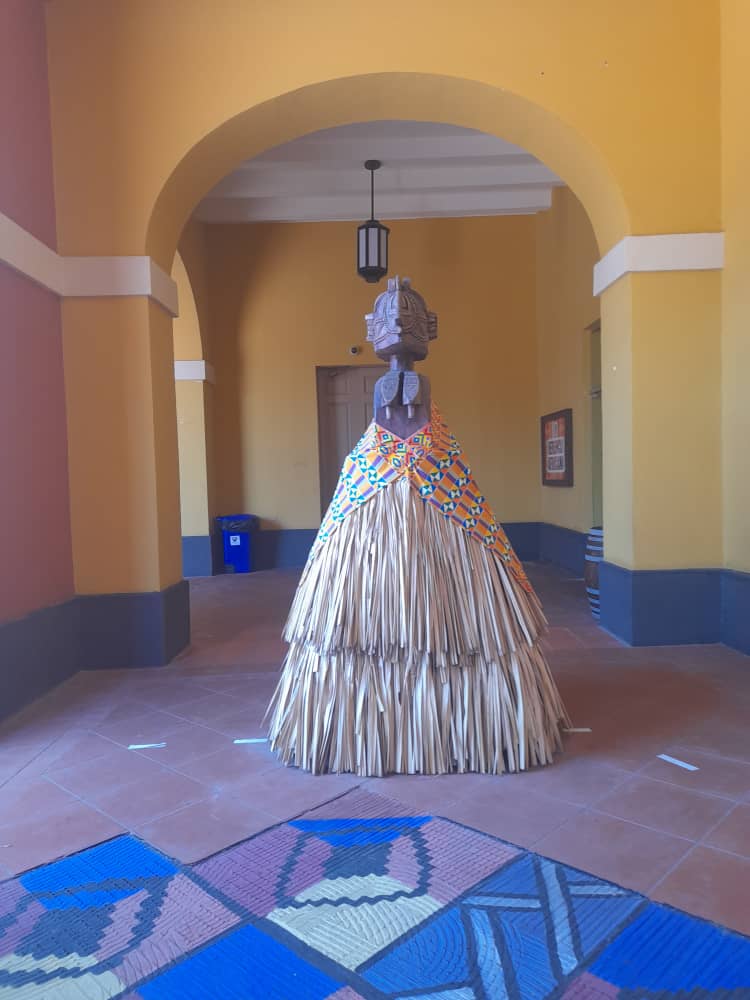
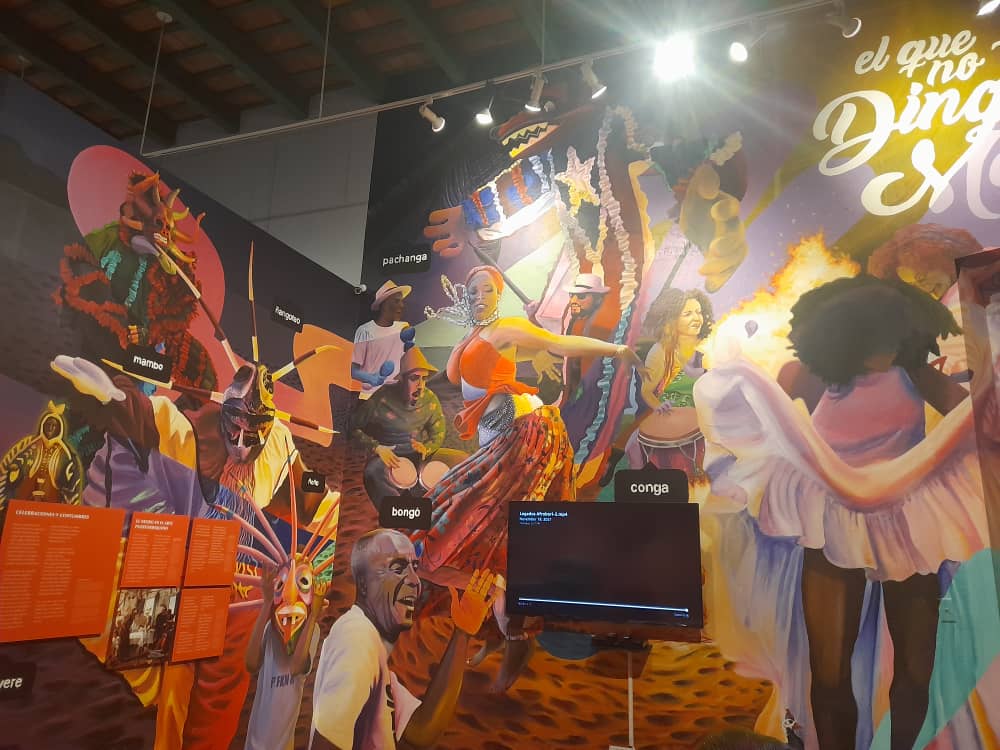
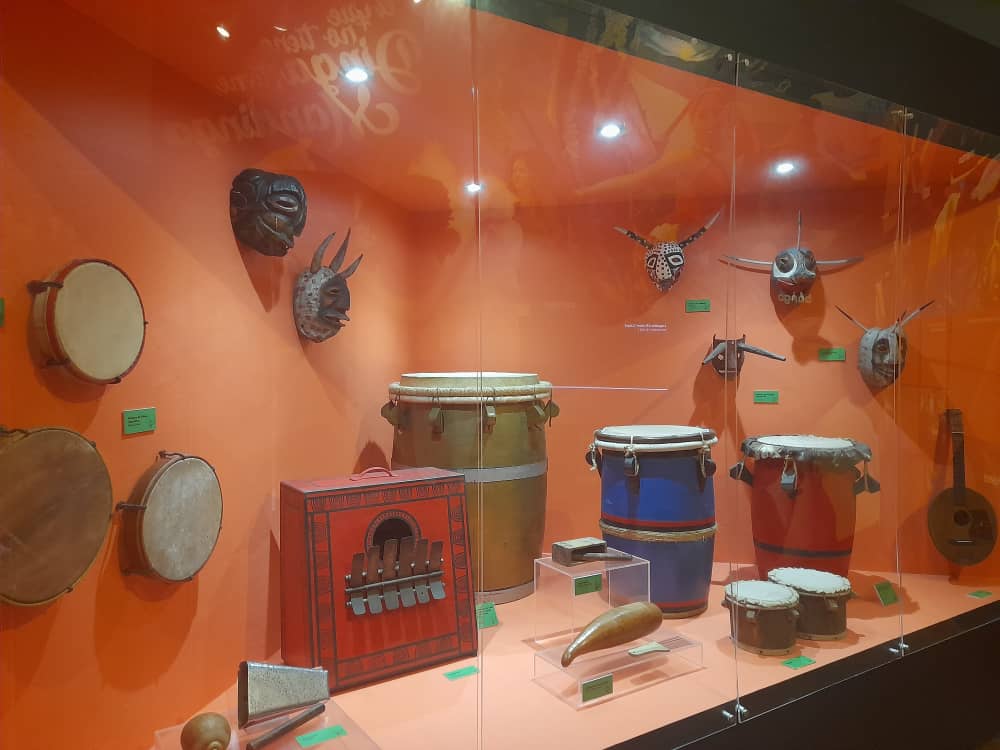
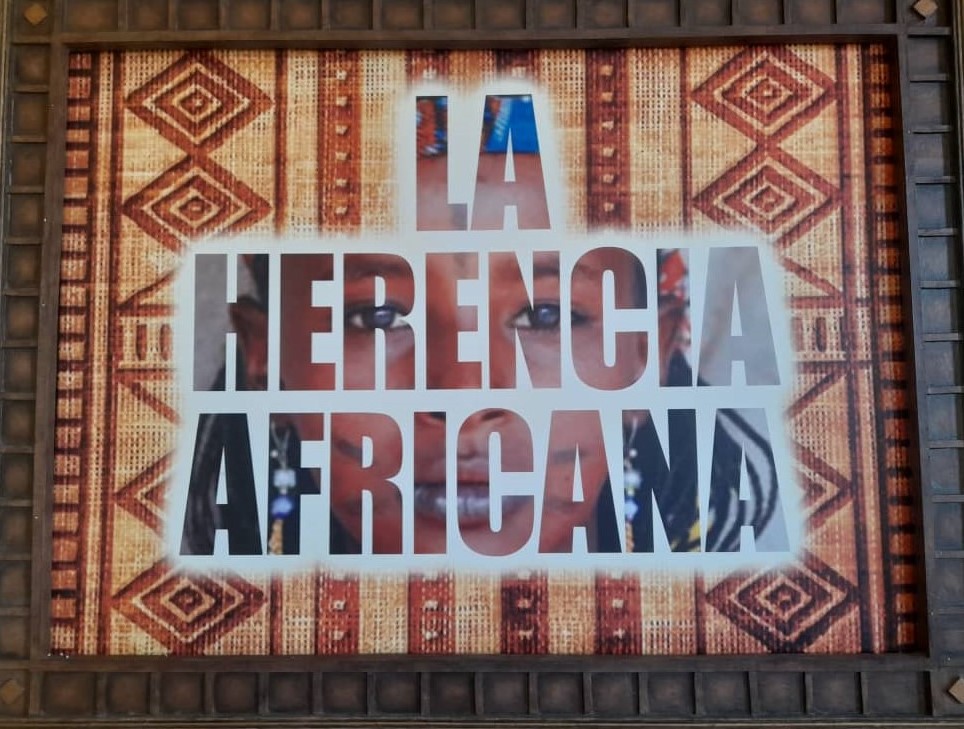
Last year, I visited the Museo de las Américas in San Juan, Puerto Rico with my brother and learned about the African influences in Puerto Rican history and culture. The Museum created in 1992 has an exhibition named La Herencia Africana which showcases the arrival of Africans in Puerto Rico and the legacy that is still present today in dancing, folklore, food, and much more. The exhibitions displayed statues, African fabrics, traditional instruments, pictures of people, and food. There were short narratives of African history and how it transcended throughout generations. I remember thinking that this museum had one of the most accurate and respectful transcriptions of African history and culture. Out of the dozens many museums I visited around the world, this one spoke of Africa with high regard and celebrated the heritage and legacy that Africans left in Puerto Rico.
In Puerto Rican local cuisine, the Monfongo dish which is mashed plantains has its origins in Fufu an African staple dish. Fufu is widely known in all of Africa and is made from different ingredients such as corn flour, rice, plantain, and yams. This dish traveled with Africans who were taken to Puerto Rico and was further influenced by indigenous cooking ingredients and methods. Any African eating Mofongo in Puerto Rico would draw its connection with Fufu.
It has now become a personal habit to research African presence or heritage in countries I am traveling to. It is fascinating to see the cultural and historical influences that have traveled through generations and to recognize Africa in food, clothes, behaviors, and literature. Discovering these links has become a passion in itself and I discover more parts of the world and understand the continent’s historical influence and beauty.
Deborah Melom Ndjerareou
 We Write Afrika