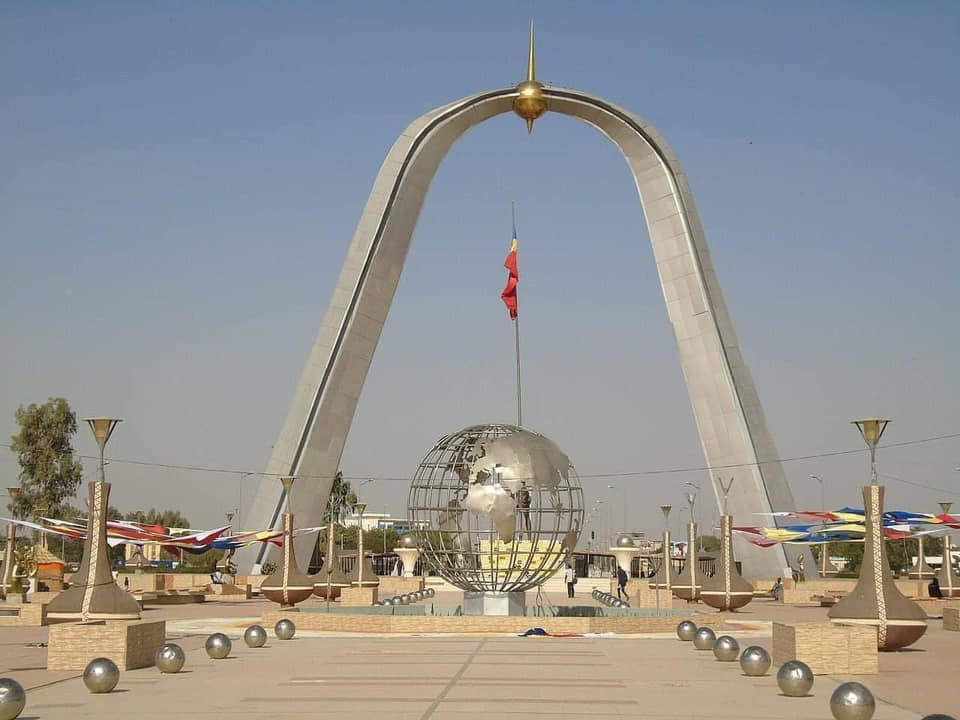
I often hear people saying that they had never heard of Chad, or that I was the first Chadian they had ever met. When I am in Latin America, Europe, or the Middle East, this could be forgiven, but I also hear the same sentence within the African continent, which is peculiar and sad.
Chad is the 5th largest country in Africa, with 1,284,000km square, a population of around 18 million, and a climate as warm as its people. However, it is one of those almost invisible countries on the continent unless the media covers the recurring political conflicts. Since gaining independence in 1960, like most countries in West and Central Africa, the government has gone through various civil wars that stalled its development and the possibility of a stable economy.
Beyond the squabbles, it is a beautiful country fueled by generosity, resilience, hard work, and strict social rules to abide by. I recently returned to Chad and have taken the time to rediscover the good and the bad that make this country unique and a place to call home.
A restricted number of international airlines land at Moussa Djamous International Airport. Every time I come home, whether at night or during the day, all passengers disembark through one of those sometimes-unstable metal stairs, and my face takes in the whiff of dry air that is either scalding hot between March and June or mild the rest of the year. The tarmac is usually empty, and the immigration room could be confusing and chaotic, especially for those who do not speak French or Arabic. I always wonder how those who speak neither of these languages fare. Following the immigration section, grabbing luggage could be a fun experience with all luggage ready, or an annoying wait. Any porter will gladly help with their carts for a small fee of 3-5 US dollars. I know at least two very well, and I have nothing to worry about when they are around. Once I pass the customs, which is easy because they don’t pay much attention, I am back in my Ndjamena planning new adventures.
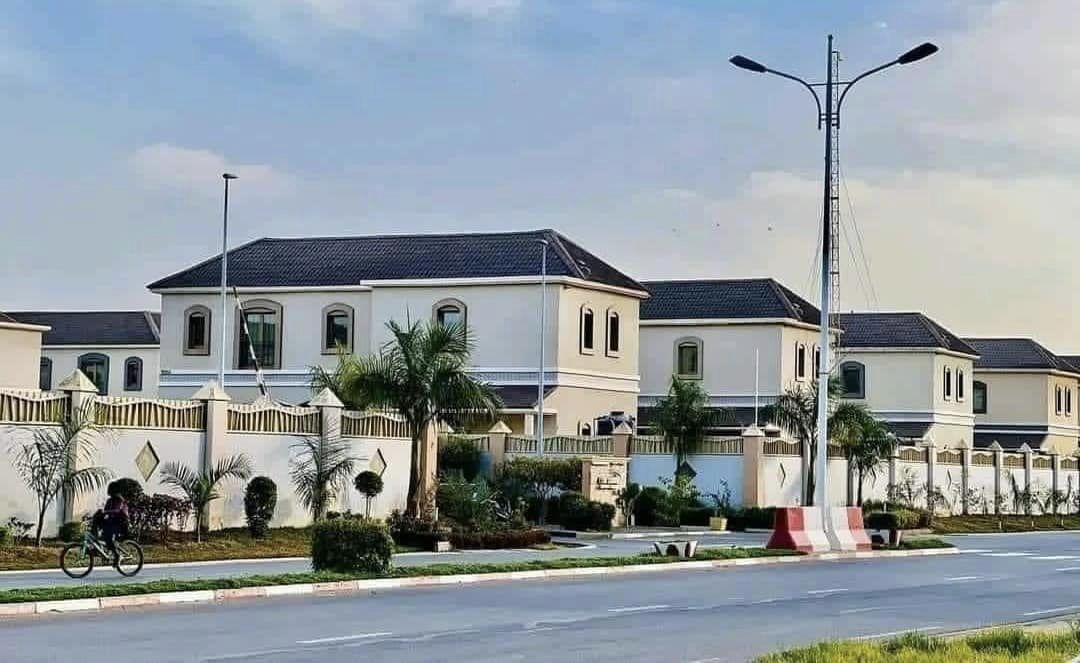
The neighborhoods surrounding the airport are the most affluent, and where industrial offices are located. Many international hotels are located in this part of the city. It is clean with tall neem trees boasting green leaves all year round. The green contrasts with the yellow, almost ochre-like view, giving a glimpse of what the Sahel looks like. Sometimes, driving around here feels like there are two countries within one.
One of the key traits of Chadian Culture is the desire to make you feel welcome in the country. It is readily apparent who is a foreigner when they can’t speak one of the official languages or have prominent foreign physical features. Trust that most of us, with a few exceptions, will do our best to help you with what you need. I often find myself in situations where I am translating for someone at the airport.
After a 20 to 30-minute drive from the city center, a different side of the city, which is more populated and could use better public sanitation, comes into view. The neighborhoods of Moursal, Abena, Sabangali, Kabalaye, and Gassi are a mixture of people from all walks of life. Some mansions probably cost hundreds of thousands of dollars or usually more to build, and next to it, there could be a small brick or mud house. The urbanization mechanism in N’djamena does not separate affluent and less affluent neighborhoods: you build the type of house you can afford wherever your land is located. As with any society, it’s a country of the haves and have-nots. Due to unequal infrastructures, there are social rules to be followed. If you have a multiple-story house and your neighbor has an outdoor toilet with no roof (this is common), it is your responsibility to build a roof over the neighbor’s bathroom. On a street like mine, one finds houses with electricity and those who have never had it installed in their household. This also means neighbors can charge their phones in the house of whoever has electricity in the street. Maybe someday, all citizens will know what it means to have electricity at night.
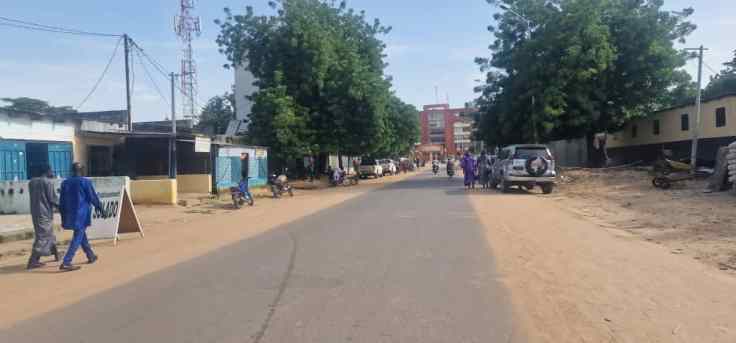

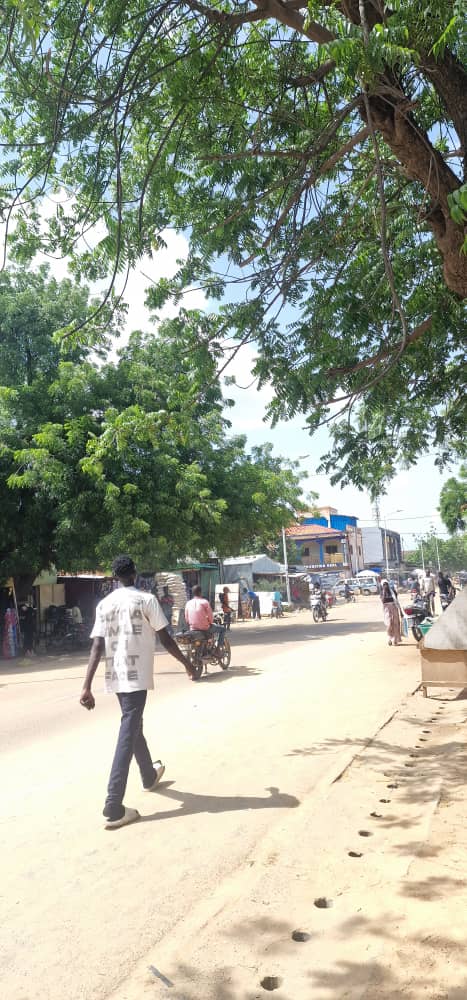
Despite all the challenges faced daily by a large number of the population, there is a show of resilience and joy that keeps the soul going. Take the neighborhood of Moursal, where I live; the streets are bustling with food stalls, street vendors, eateries, bars half full by 9 am, and boutiques where you can find an array of items from food to clothing. You will find an outlet on one street to eat, do business, pray, and be entertained. The day starts around 4 am when cars and minibuses bring fresh goods to the local markets. By 5 am, the smell of beignets, which are small savory fritters, lets you know it’s time for breakfast. The streets are filled with people walking, driving, or riding on motorbikes to school, work, or attending to their businesses. I don’t need to set an alarm at home; society wakes me up. Moursal is a heartbeat where all is possible and available, and life for moments at a time gives me the impression that nothing unfortunate has ever happened in Chad. The loud laughter and the vigorous handshake in the streets are guaranteed to pull out a smile and a raised eyebrow while you wonder where the happiness is coming from.
In my younger days, sitting at the main gate of my house was one of my favorite pastimes. Oh, the stories I could tell by just observing. I remember telling my parents that watching natural TV and observing people on the street was much more entertaining than watching real TV when they tried to keep me inside after dusk. We have playful nicknames for some neighbors. We call a grandmother who lives across the street from my gate the Minister of Communications because she is our eyes and ears and can tell you everything that happened during the day, week, month, and year.
There are markets in every district in Ndjamena. Two of them are the largest and most conveniently located, offering anything from around Africa, Europe, and the Middle East. The Grand Marché, close to the city center, is an outdoor and indoor market that is the central hub for local trade: food, clothing, electronics, and a beautiful tapestry. When the sellers don’t have what I am looking for, they always convince me they can import it for me at the right price. The Dembé Market the other large market with all types of goods. It has more fresh produce, meat, fish, and other edible products. Also, an outdoor market is a perfect place to immerse yourself in the humanity of N’djamena. Located 10 10-minute walk from my house, it is my go-to market when I shop or chat with sellers about random city news. I am not the best bargainer, so I always take a friend or cousin who speaks Chadian Arabic to negotiate the best prices. When I have a foreign friend or acquaintance, I always advise them to visit the market with a Chadian.
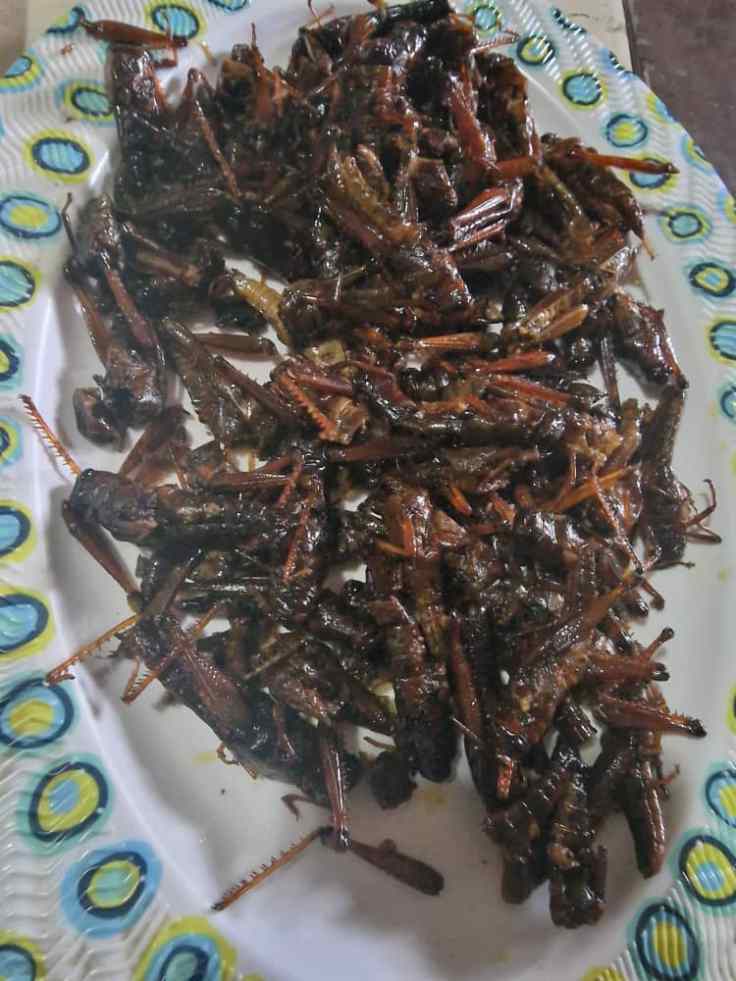
For food lovers like me, N’djamena will offer an array of dishes from high-end restaurants to local eateries to mouth-watering street food. One of the first things I need to eat in N’Djamena is grilled meat, a local specialty. On many corners, you would see men grilling beef, goat, camel, and chicken. They also grill wild birds, but this is not my favorite. Camel is a lean, white meat I highly recommend. All servings are usually accompanied by a freshly baked baguette with hot pepper and lemon juice sauce. I also love the crunchy and mouth-watering grasshoppers fried with a mixture of spices and pepper.

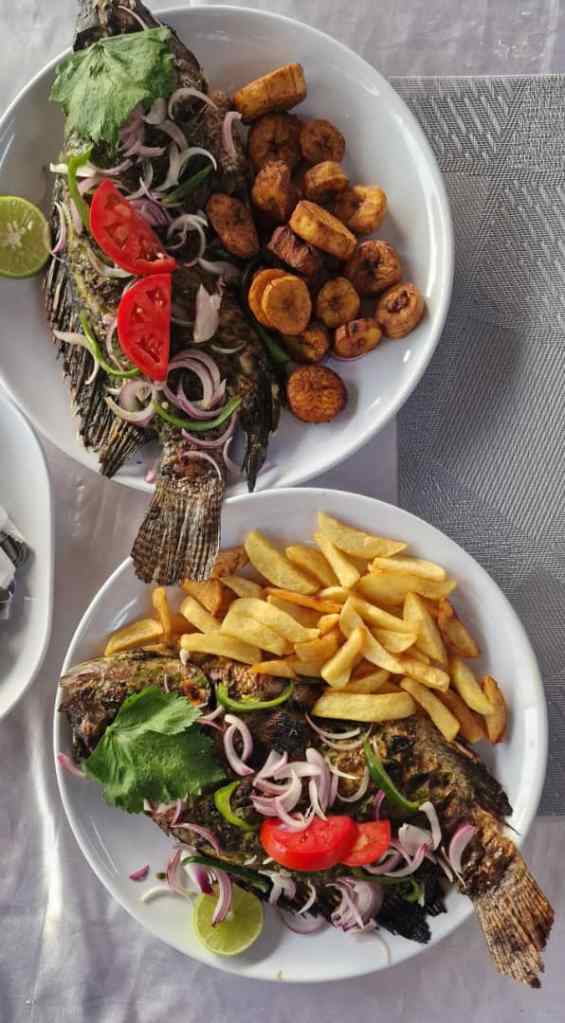
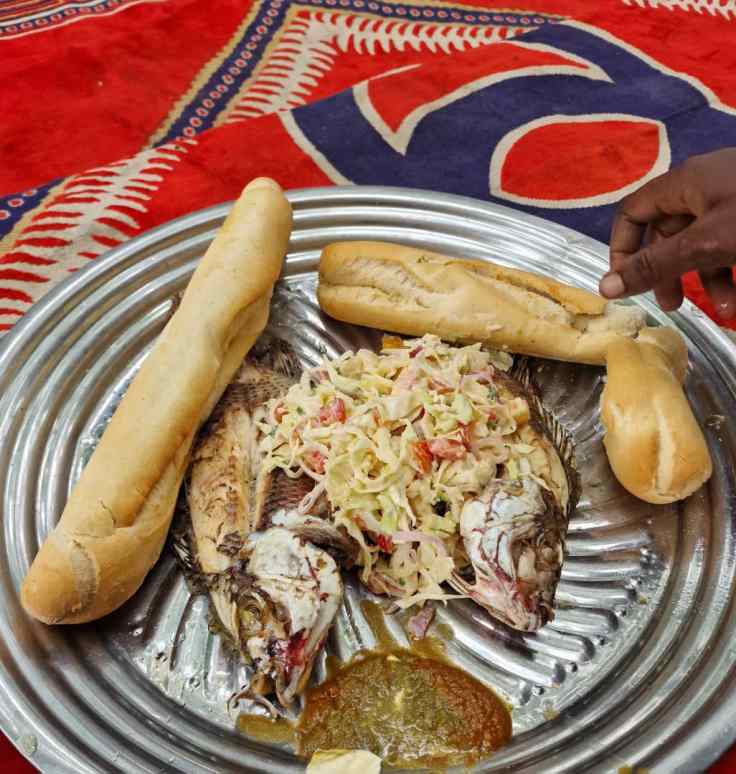
The city is by the bank of the Chari River, which provides fresh fish daily. Local eateries offer grilled or fried tilapia, catfish, or a type of freshwater sea bass with a side of salad, bread, or fried potatoes. Most of the time, the fish is the catch of the day. All of those dishes would not be complete without gulps of cold Malta. The culinary experience comes with getting together with friends and family. We often go back and forth, deciding whether to go to a high-end restaurant or a local eatery; the latter always wins because the delicacy is unbeatable. In my family, we often receive international visitors, and we make sure to give them both experiences with food. Their vote on the best taste usually goes to the local food spots.
To understand the country’s history beyond a few Google searches, the National Museum gives a glimpse into the past. An afternoon spent in the showrooms of the museum gives me a sense of belonging to a nation with a rich history. With displays of items from the era of the Sao, the giants who are believed to be the ancestors of present-day Chadians, visitors learn about cultural, political, and anthropological occurrences that led Chad to what it is today. From climate, colonization, and political challenges, Chadians have strived to build the resilient and strong character the country is known for. To experience artisanry, the Maison de la Culture has a market of leather goods, wood carvings, and paintings representative of the herder culture and the visual storytelling of the country. It is the best spot to shop if I am traveling and need a souvenir or gift from Chad.
When the security setting allows, a trip to the country’s north gives a desert experience unique to the Sahara. In the three regions, Borkou Ennedi and Tibesti, there are desert dunes with invisible roads where nomadic tradesmen lead herds of camels. These long lines of nomads have traveled between Chad, Sudan, Libya, and West Africa centuries before borders were drawn. They traded gold, salt, animals, and textiles. Today, this practice offers a spectacular view of the traditional ways. Amid the desert, there are spots with oases with clear waterbeds and palm trees with fresh dates. These picturesque areas are worth an overnight stop to enjoy the star-filled skies. There are rock formations that look like man-made sculptures. The yellow with red ochre shades makes the usually empty desert feel alive with the winds whispering stories. The Tibesti region also has a volcano caldera known as the Trou de Natron. The area has a large deposit of Sodium carbonate used in local cuisine and agriculture. A plate of dates, dried meat, Kubza, a bread often baked underground, and grilled meat will fulfill all the senses. Northern Chad is the physical illustration of human resilience and perseverance. Local populations face harsh weather and scarce water but continue to thrive to make a living. I saw this resilience firsthand when I worked as a humanitarian in the northeastern part of the country, where potable water was scarce most of the year. The communities we worked in learned how to efficiently use small amounts of water to survive for months while waiting for rainfall.
Driving towards the country’s south, the savannah is followed by tropical areas in large cities such as Sarh and Moundou. As a child, I spent many summers in Moundou, where my two sets of grandparents lived. The luteous green somewhat contrasts with what N’djamena has to offer. This part of Chad is the country’s breadbasket, with large herds of animals and endless fields of cotton, corn, millet, sorghum, vegetables, and much more. Cotton has historically been the primary export to the rest of the continent and the Western world. The region is also oil-rich, bringing international exploration that thrived until the financial collapse of 2008. Since then, the exploration has significantly decreased. Everything in the South is fresh off the field. For the organic food lovers, it is the place to be.
Home to a large wildlife population, animal lovers can visit Zakouma Park, which is about 860 km from N’djamena. Tourists can stay in overnight camps in the park that African Park runs. Elephants, giraffes, antelopes, and many more that call the area home can be seen roaming during sunrise or sunset game drives. I recently learned that the park has 50% of the Kordofan giraffe population in the world, making the country one of the unique homes for this animal. For some reason, I associated giraffes with game parks I visited in Uganda, South Africa, and Botswana. Learning about the Kordofan giraffe in my own country was a pleasant fact.
Chad is a sought-after investment country offering opportunities to companies and individuals to invest in oil, agriculture, real estate, and other sectors. There are recurring challenges related to socio-economic instability. However, this has not stopped many national and international investors from thriving in the country. Chadians, by nature, are drawn to business. Everyone is selling something to someone. Whether a seasoned professional or a high school student, a side hustle in business is a must. I remember that during a school summer, at age 11, I sold icy hibiscus juice. I started it for fun and realized it was a lucrative activity. I reluctantly stopped when we moved abroad. Today, Chadians my age are all building businesses on the side for extra income. A trip home means the opportunity to think about further businesses to build in the future. When I am driving out and about, I see business opportunities everywhere.
Reviews and travel warnings online might put Chad in countries not to visit; however, this country has more to offer than one thinks. Labeled as one of the poorest countries in the world by the international community, you will meet the richest hearts with generosity and kindness once you arrive. In whatever part of the world I am, for work or leisure, saying ‘I am from the Republic of Chad’ makes me happy, and I delight in telling people about all the positives my country has to offer.
Deborah M Ndjerareou
 We Write Afrika
Leave a comment