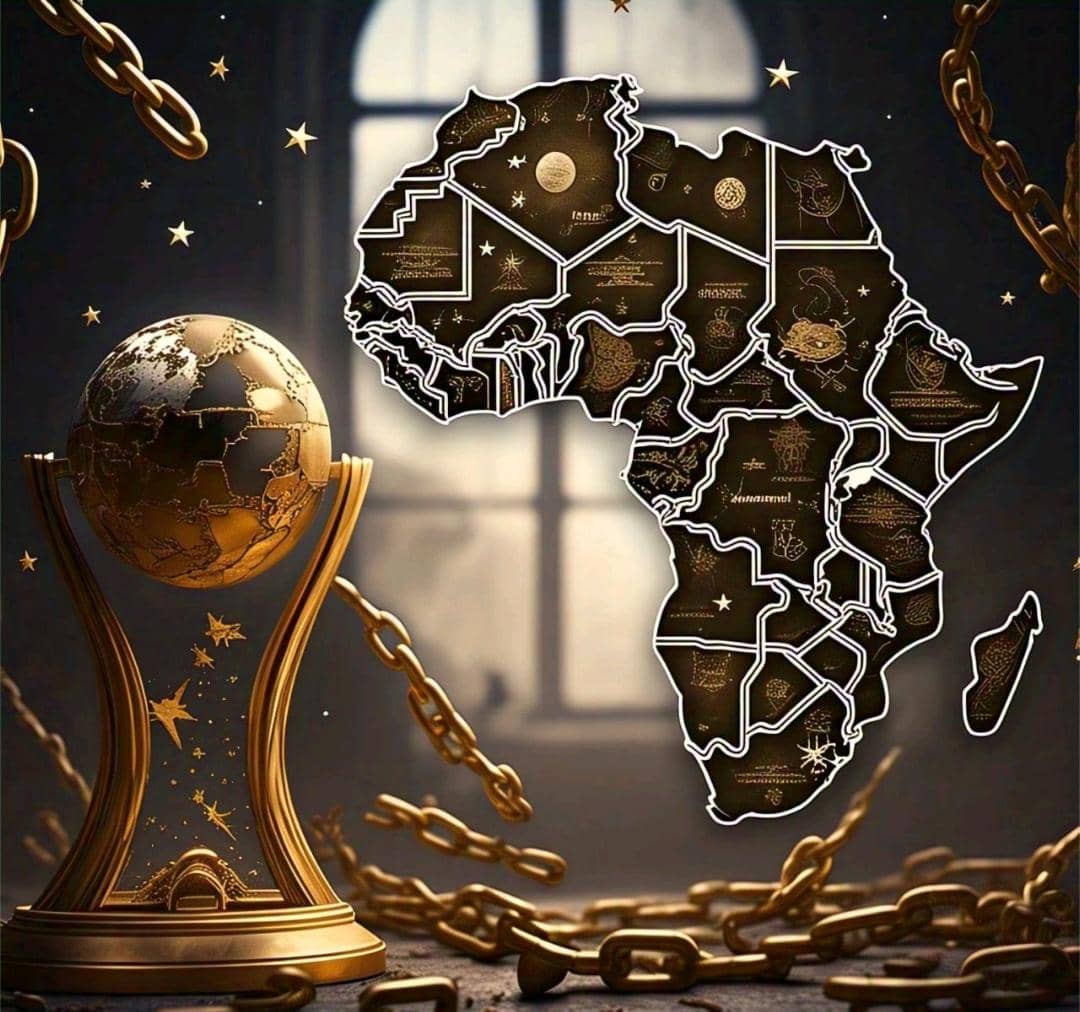
Decolonization has been a recurring subject of international debate and social media in the past decade. The current generation is taking the decolonization messages from the founding fathers of African independence, such as Kwame Nkrumah from Ghana, Léopold Sédar Senghor from Senegal, Julius Nyerere from Kenya, and Nelson Mandela from South Africa, amongst others, and amplifying it. It is compelling to understand how colonization has a long-lasting effect on generations, each trying to eliminate those effects. In the current generation, one of the plights is the decolonization of the mind. The famous Kenyan writer Ngũgĩ wa Thiong’o stated that decolonization goes beyond political processes and requires the decolonization of the mind. His work focused on using our mother tongues and culture to ensure the mind is decolonized.
Decolonizing the mind involves a conscious and consistent effort to dismantle beliefs and standards imposed by imperialism. In our daily lives, we can take various steps to support these efforts. Here is a curated list worth considering:
Understand that Africa is on its own track: The history of people takes millennials to form. All corners of the world went through their years of despair, awakening, troubles, and development. Where the continent is now is not indicative of being behind; it is going through its process.
Read African history beyond the standardized textbooks: While the tide is slowly changing, many schools around the continent are still teaching African history as depicted by colonizers. Between reading about the explorers who “discovered” the continent and drawing African borders, the textbooks forget to mention the great African kingdoms, thriving economies, and democracies. It fails to highlight the advanced cultures and the contribution to world knowledge. Researching the greatness in other sources is essential to feed the mind on how Africa has contributed to the world.
Dispute the superiority narrative: The world puts Africa at the lower end of the totem pole by default while promoting other’s superiority. Those theories are to be disputed. There are advantages and disadvantages to all parts of the world. The more advantages you identify in Africa, the more the superiority narrative become irrelevant. We need to challenge non-Africans with superiority complexes while on the continent.
Challenge the standards: Following the colonization period, the European standards of politics, beauty, economy, architecture, and more. We must dig into our ancestral knowledge and wisdom to challenge these standards while creating our own. A European-style villa should not be considered better than a house built based on African architecture and materials. A great example is the architect from Burkina Diébédo Francis Kéré, who introduced architecture that is embedded in traditional materials and indigenous knowledge and beliefs. Preferring one style versus the other should be a personal choice rather than a default based on standards.
Know which media outlet to pay attention to: When reporters covering the Ukraine war stated (paraphrasing) that the sight of refugees was shocking because these are Europeans fleeing war and not Africans in the Third World, there is proof that the media intentionally discredited Africa. Identifying which media is neutral and fact-based when reporting about Africa is essential. The growth of the independent press focused on redirecting the African narrative is a move forward. Focusing on these media outlets provides a fairer depiction of the continent.
History is a repetition game: The sight of boats full of African migrants attempting to reach Europe is distressing. This is nothing new. Decades ago, boats full of migrants left ashore attempting to reach Africa or the Americas (Today’s United States). History repeats itself. Decades from now, boats will still be full of migrants trying to reach another destination. For Africa, this period includes this type of migration for various reasons; however, as mentioned, it is not new.
Cultivate intra-African curiosity: A Namibian should be curious about the staple foods in Eritrea. A Gambian should want to know the key traits of Burundian culture. An Algerian should support developments in Lesotho. Africans should appreciate each other in their diversity. They should identify their everyday challenges and solutions while building lasting partnerships for the greater good of the continent.
Understand the decolonization trends: In the past decades, movements have been advocating for the decolonization of politics, diplomacy, international aid, and more. These movements are key in understanding what needs to change our perception of reality as Africans. Depending on our interests, it is essential to know how these trends currently shape the world and how they will shape future generations. Whether we actively support it or not, the understanding shapes the mind into deconstructing colonial oppressions on the mind.
Prioritize your language and culture: Language is power. As colonized nations, we speak the languages of the colonizers and, if we are lucky, our native languages. An African can speak more than two languages. That ability is an intellectual and cultural strength that we should tap into—understanding that wealth of culture and languages, the mind will shift more towards the African pride that beats the colonization of the mind.
Engage in African storytelling: As Africans, we know who we are. We cannot let others continue telling our stories while they are in our backyards. We need to take charge of the narrative through social media or any other outlet. Give your African perspective, give examples of positive happenings in Africa, and talk about your culture. The more Africans tell the narrative, the more we can collectively shift our minds toward a complete decolonization process.
We Africans have the responsibility to elevate the African narrative. To build future generations that will continue the transformative work in Africa, we need to have minds geared towards the greatness of the continent. In that greatness, we recognize the challenges that plague its development while finding the solution to those issues. A decolonized mind is a pathway that contributes to Africans’ awakening and the restoration of Africa.
Deborah M Ndjerareou
Image credit: LinkedIn post -John Koffi Annan
 We Write Afrika
powerful.
media is a huge outlet. Keeping Africans in the poverty mindset is alao a studied goal and weapon….we are followers as people…looking for the next best thing and also money is viewed in an unhealthy way….financial literacy is absent in our communities.
LikeLike
Great point mentioned to analyse further in this discussion. I am glad you liked the article.
LikeLike